Guide to Calistoga Architectural Styles for Estate Homes
January 1, 2026
January 1, 2026
You picture late light over vineyard rows, tall oaks, and an estate that feels both grounded and refined. The question is how to choose a home that looks right in Calistoga and works for the climate, terrain, and rules that come with wine country living. If you understand how style, site, systems, and permits fit together, you can buy with confidence and protect long-term value. This guide gives you the essentials you need, plus a practical checklist to use as you tour properties. Let’s dive in.
Calistoga sits at the northern end of Napa Valley with estates on valley floor acreage, river-adjacent parcels, and dramatic hillsides along the Mayacamas. The Mediterranean climate brings hot, dry summers and cool, wetter winters, which invites outdoor rooms, shade structures, and evening terraces. These same conditions raise wildfire awareness and make drought-wise landscaping a smart choice.
Natural hazards shape design and maintenance. Wildfire risk exists across many rural areas, and seismic activity is part of Northern California living. On sloped sites, drainage and erosion control matter. Limited areas near the valley floor may face flood considerations, so you should review local floodplain information during due diligence.
Regulatory context also varies by address. Properties within the City of Calistoga are subject to design review, and downtown parcels may fall within a Historic District with specific exterior guidelines. Outside city limits, Napa County rules govern zoning, vineyard or winery uses, septic and wells, and hillside development. State building codes and energy standards apply across the region.
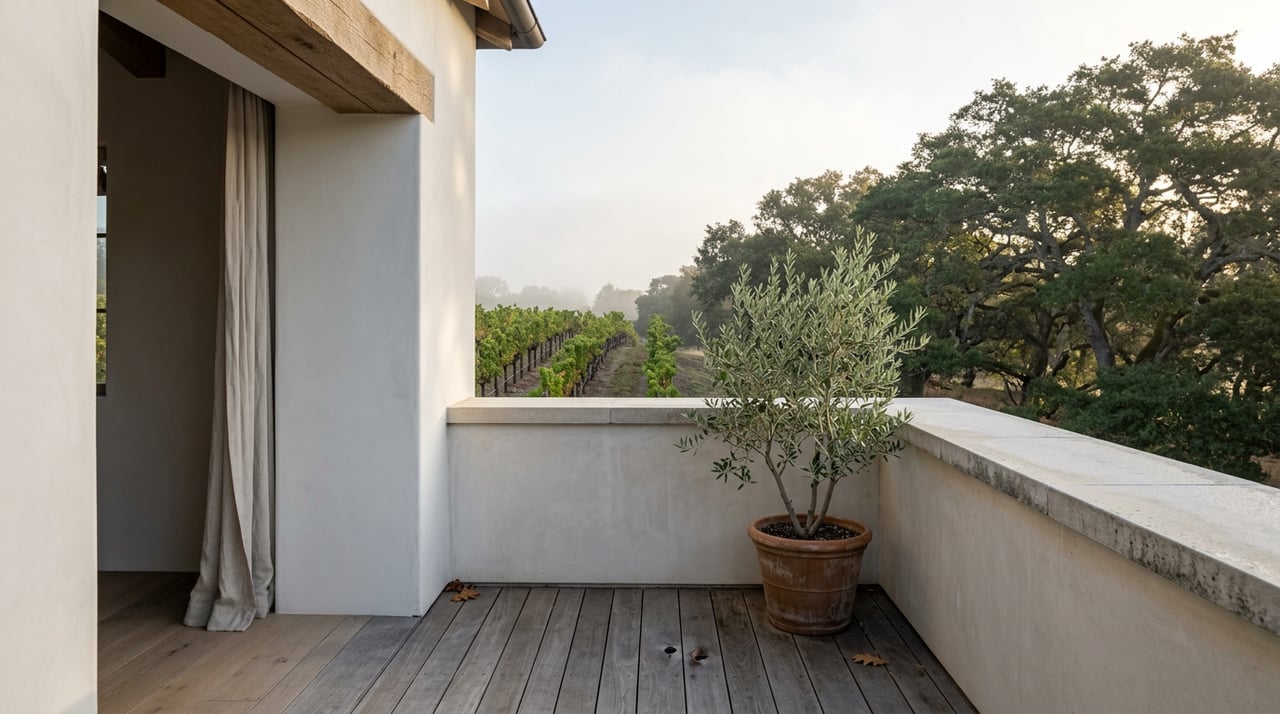
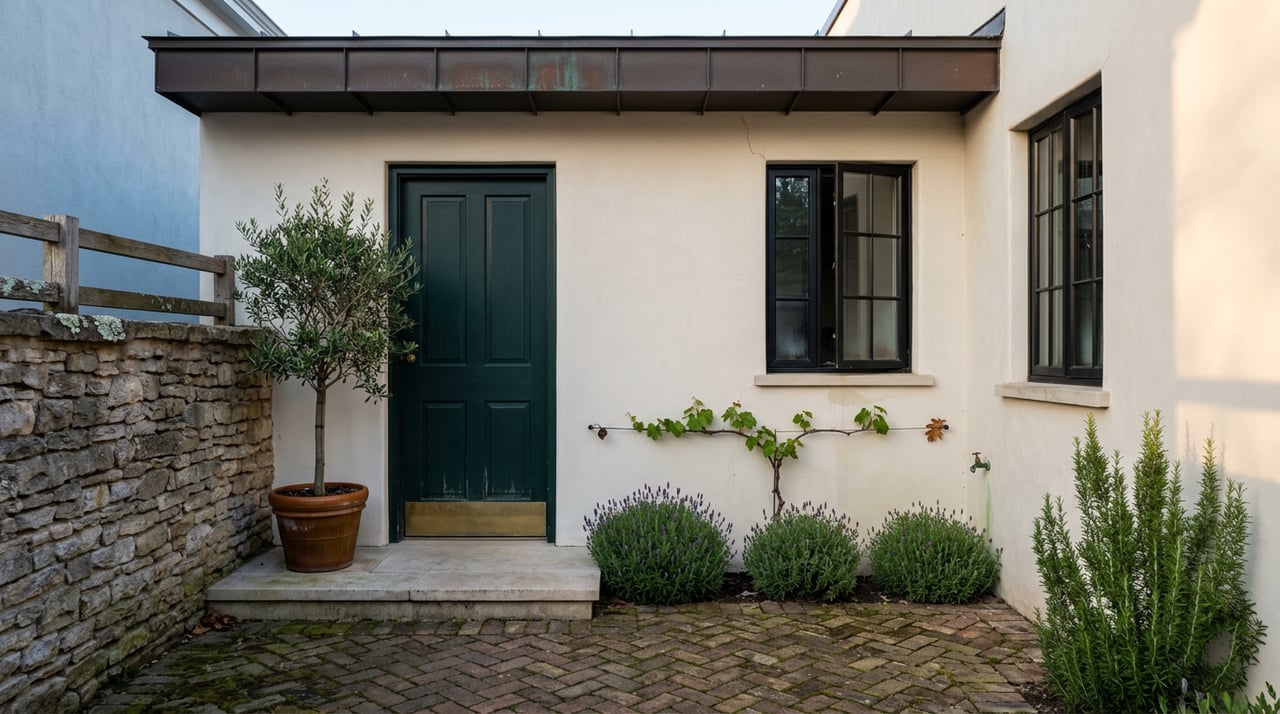
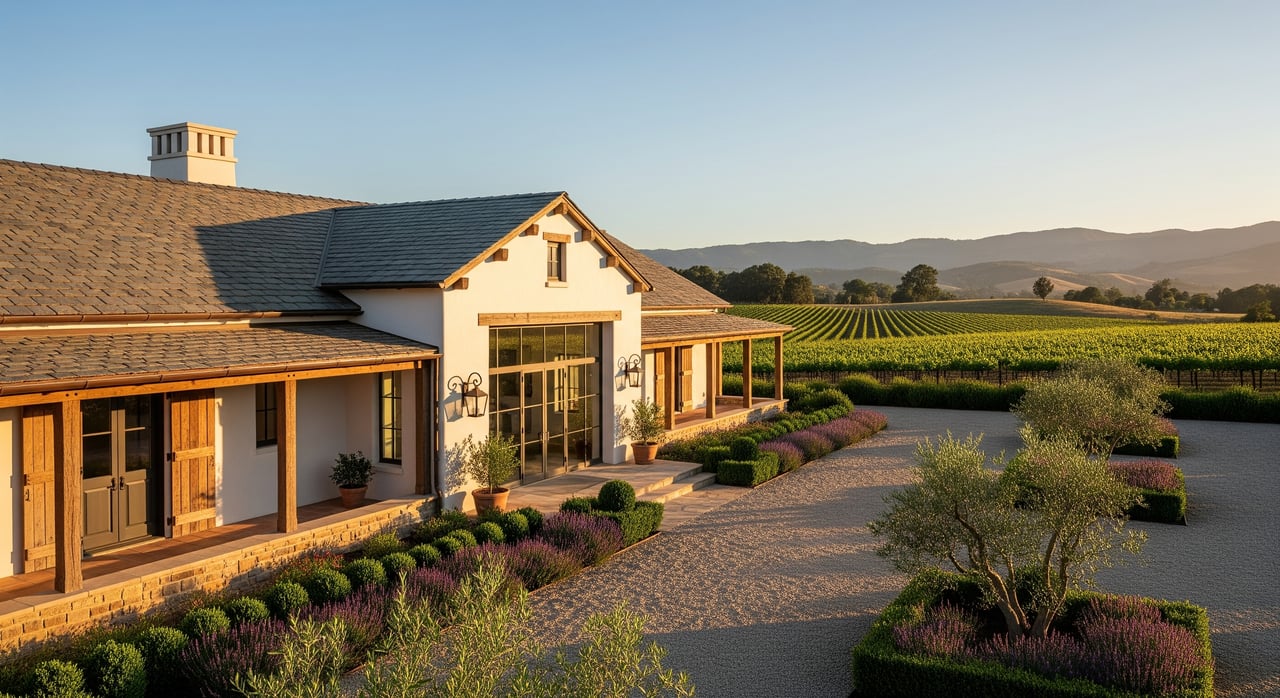
Mediterranean, Tuscan, and Spanish Revival estates are common across wine country. Stucco walls, clay tile roofs, arched openings, and courtyards create a calm rhythm that suits the climate. Thick walls offer thermal mass that helps moderate indoor temperatures on hot days.
Maintenance is straightforward but should be planned. Stucco can need crack repair and proper moisture detailing. Tile roofs last a long time but rely on sound underlayment and structural support due to weight. Wrought-iron elements need periodic paint. Buyers gravitate to this aesthetic for indoor-outdoor living and the romance of courtyards and loggias.
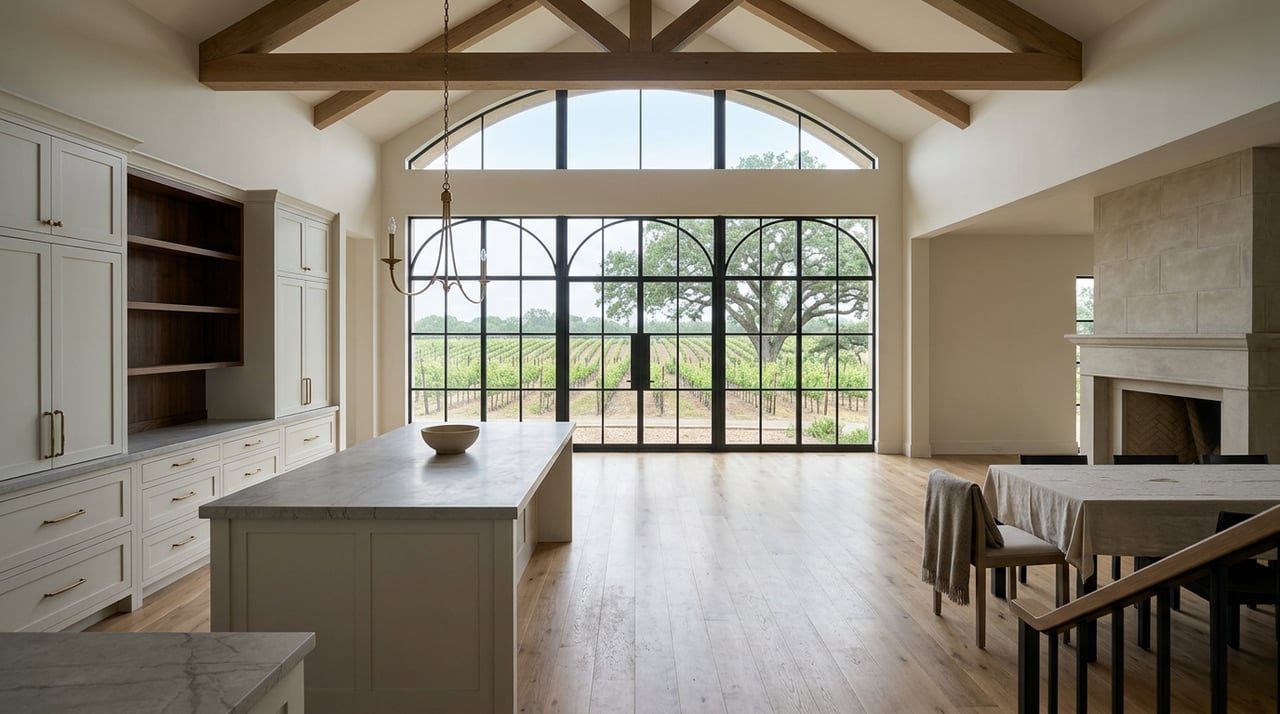
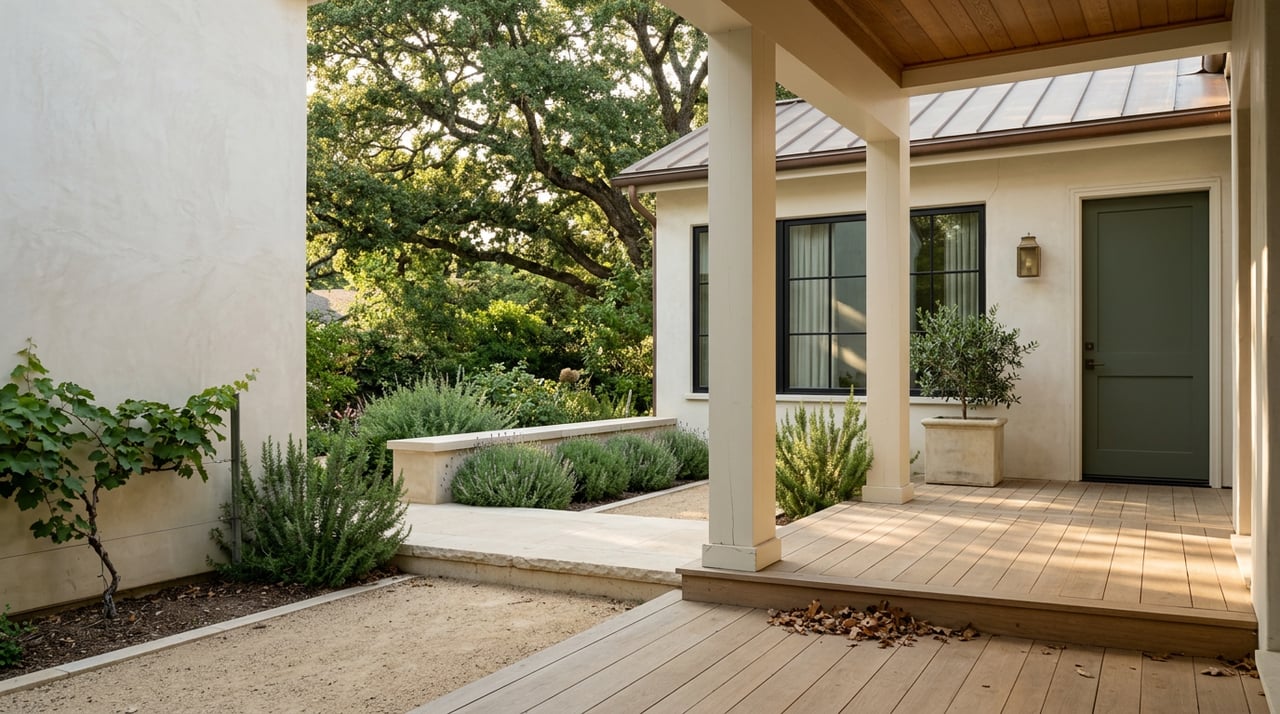
Modern farmhouse and ranch-inspired designs pair simple gabled forms with board-and-batten or lap siding, large windows, and generous porches. Interiors lean open plan with big kitchens and sliding glass linking to covered patios. The look reads casual luxury and resonates with many Napa Valley buyers.
Wood siding needs routine repainting or staining, while fiber-cement reduces upkeep and improves durability. Metal roofs perform well in summer heat and are a strong option where wildfire-resistant assemblies are preferred. With large glass areas, choose shading and high-performance glazing to control summer gain.
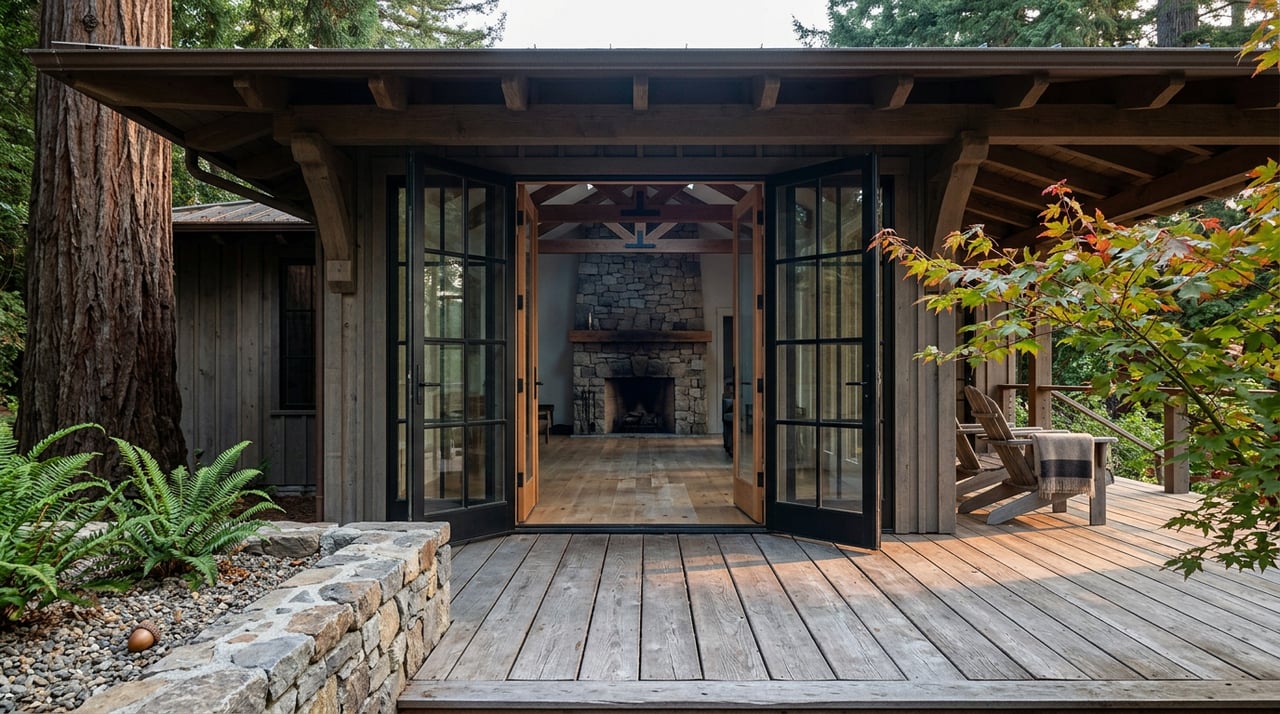
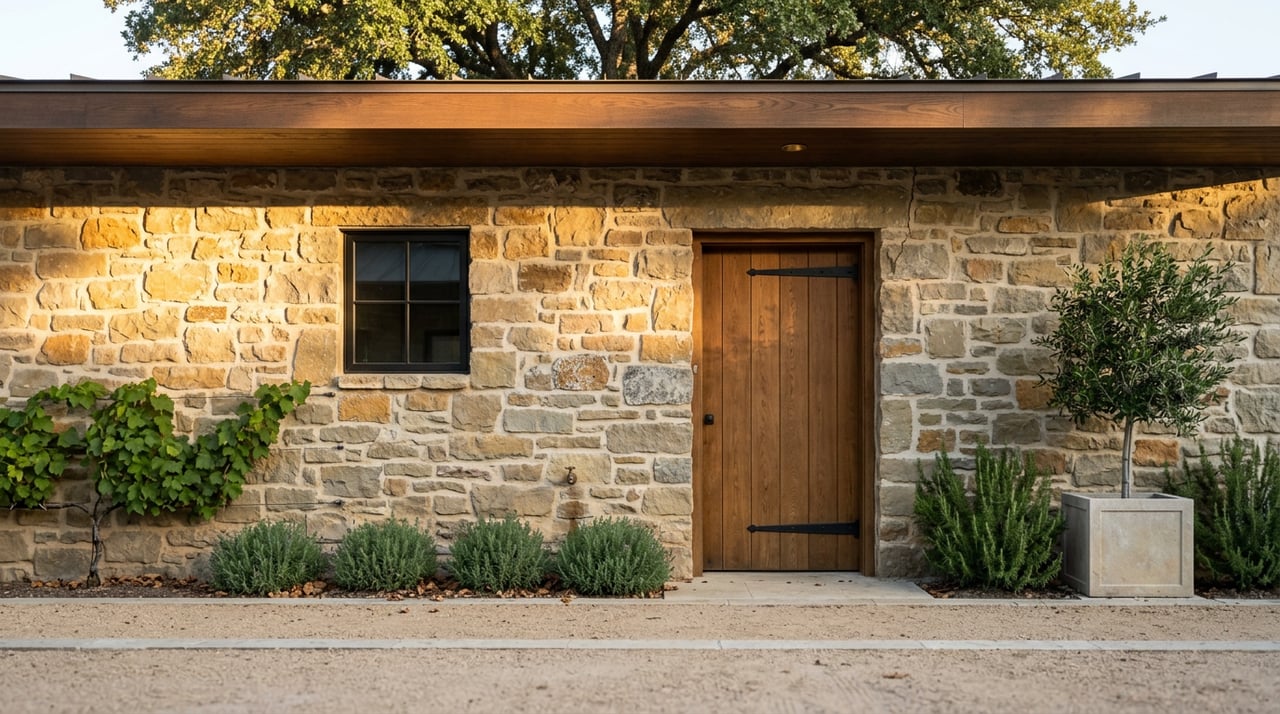
Barn-inspired and stone-forward estates use reclaimed timber, heavy beams, and natural stone to ground the home in its landscape. Porches and patios are oriented to views and breezes, and accessory structures echo agricultural forms. The result feels authentic and timeless when detailing is well executed.
Timbers require preservation treatments and monitoring of joints and finishes. Stone is durable and low maintenance, though mortar may need periodic work. Thoughtful roof overhangs, gutters, and drainage protect walls during winter rains.
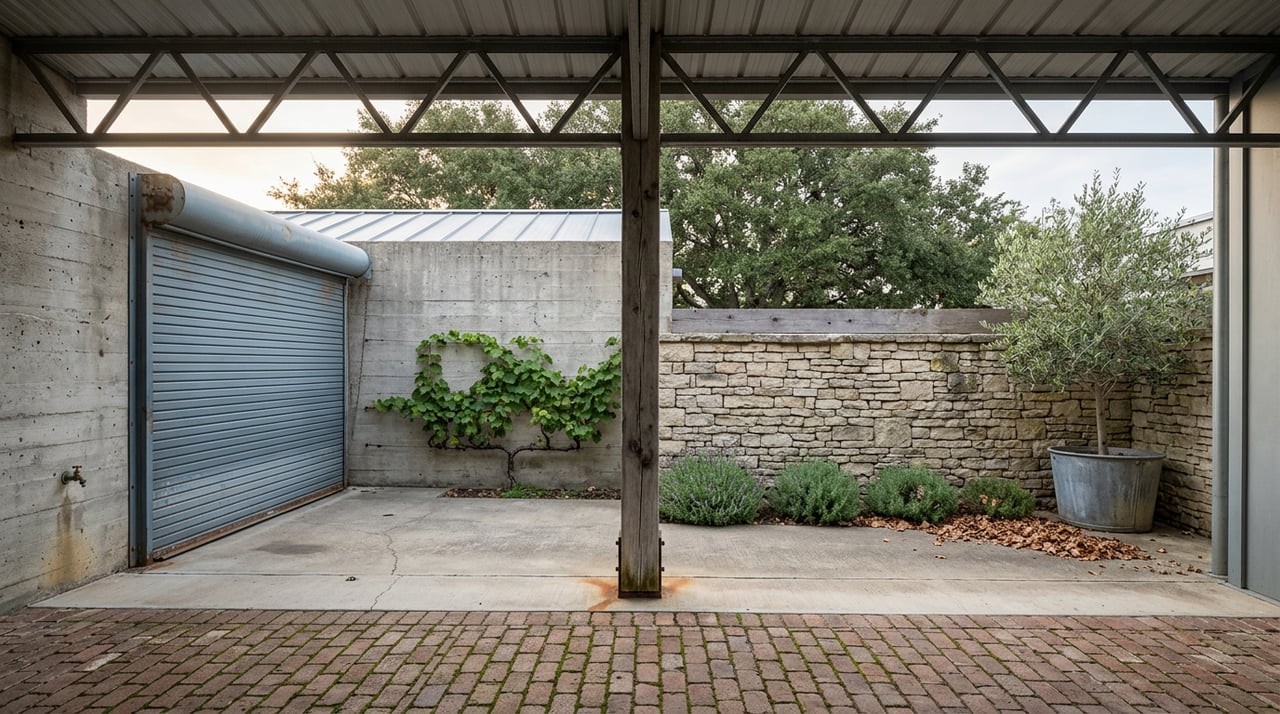
Modern estates feature clean lines, low or flat roofs, broad terraces, and extensive glazing for seamless indoor-outdoor living. When engineered well, they offer an artful, gallery-like frame for the landscape. The style appeals to design-forward buyers who prioritize light, proportion, and minimalist detail.
Expect a more technical maintenance profile. Low-slope roofs need robust waterproofing and regular inspections. Large glass walls require shading strategies and high-performance assemblies to manage heat. Complex mechanical systems should be reviewed for efficiency and service history.
Near downtown, you may find Victorian-era homes with steep roofs, decorative trim, and bay windows on smaller lots. These properties deliver character and walkability within the town fabric. Historic status can enhance market cachet but brings design-review standards and limits on alterations.
Energy upgrades and seismic retrofits are common considerations for older wood-frame construction. Specialized trades may be needed for period-correct repairs. If you value history and proximity to town, these homes can be rewarding, provided you understand the review process before planning changes.
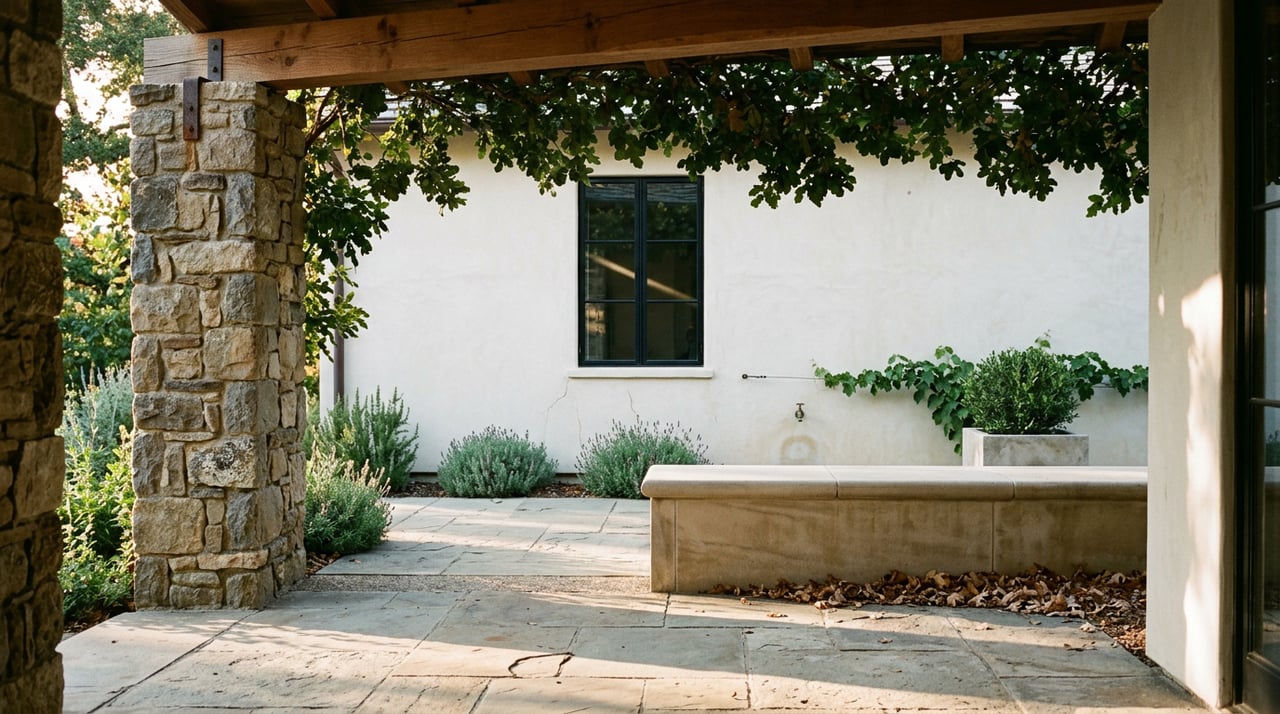
How a house sits on the land matters. Aim main living areas toward morning or late-day light while guarding against intense afternoon sun. Use deep overhangs, covered outdoor rooms, pergolas, and deciduous planting to shape shade and comfort.
Large west-facing glass increases cooling loads. If a view demands it, pair the design with low-e glazing, exterior shading devices, and landscape strategies that soften heat without blocking sightlines.
Clay tile is durable and fire resistant, a natural fit for Mediterranean designs, but it is heavy and requires a stout structure. Metal roofing offers long life, reflects heat with the right finish, and can shed embers effectively when detailed correctly. Asphalt shingles offer a lower upfront cost with shorter lifespan compared to tile or metal.
Flat or low-slope roofs can achieve a modern profile. They rely on high-quality membranes, careful detailing, and scheduled inspections. If the home has terraces over living space, confirm waterproofing history and warranties.
Stucco is common and attractive in this climate. Verify that drainage planes and flashings are correct, especially over wood framing. Wood siding provides warmth but requires routine care and thoughtful detailing at joints and windows to manage moisture.
Fiber-cement and other engineered claddings deliver a traditional look with lower maintenance. Stone and brick are durable and convey quality, though weight and cost are higher. Your inspector should look closely at transitions, flashing, and weather barriers.
Many rural estates rely on private wells and septic systems. Well yield and water quality are key to everyday comfort and future plans, including guest suites or potential ADUs. Septic capacity must match bedroom counts and any additions you envision.
In drought years, irrigation for vineyards and landscaping can be a large draw. Drip systems, native or low-water plant palettes, and smart controllers help you stay efficient. Ask for well tests, pump records, and septic inspection reports during due diligence.
Cooling is essential for summer comfort. Evaluate age, efficiency, and type of HVAC systems, and check insulation and air sealing, especially in homes with large glass areas. High-performance windows, well-insulated attics and roofs, and zoned systems will improve comfort and lower bills.
Many buyers consider electrification and heat pumps to align with California energy policy and future resale expectations. Indoor air quality is improved with tight envelopes paired with balanced ventilation.
Fire-aware design is part of buying in wine country. Ember-resistant roofs and vents, enclosed soffits, and non-combustible or well-maintained cladding reduce risk. Where parcel size allows, create 100 to 200 feet of defensible space with thoughtful planting and maintenance.
Hardscape near structures, screened gutters, and clean roofs add protection. As you evaluate properties, note vegetation management and proximity of combustible structures like fences or outbuildings.
Hillside parcels offer views and privacy, but they add complexity. Foundations, retaining walls, and longer driveways should be reviewed for condition and permits. Erosion control and drainage require ongoing attention, especially after heavy rains.
Request geotechnical and grading documentation if significant earthwork or walls are present. Budget for maintaining drives, culverts, and stormwater systems that keep the site stable.
Long drives, gates, and rural utilities affect daily life. Confirm guest parking, delivery and service access, and whether roads are privately maintained. Verify utility easements, well and septic easements, and internet and cell coverage.
Simple, reliable access raises livability and supports resale. Thoughtful locations for trash, deliveries, and equipment storage keep the estate functional and discreet.
Local buyers and visitors often prize view orientation, vineyard or agricultural character, privacy, and quality outdoor rooms. Flexibility, such as a guesthouse, studio, or potential ADU, can increase appeal when permitted by local rules and site capacity. Professionally designed landscape and curated outdoor living areas support strong resale.
Always verify what exists and what is allowed. Review city or county permit records for main dwellings, guest spaces, garages, barns, and pools. Unpermitted work can hinder financing or delay closings. If you are considering an ADU, confirm local standards and whether septic, well, setbacks, and parking will support the addition.
If you are drawn to downtown charm, ask whether the property sits in a historic district and what design review entails for exterior changes. For rural estates, converting to winery or event use is a separate, complex process that typically requires discretionary approvals and environmental review. Plan for timelines and consultants if that is part of your long-term vision.
Insurance and financing deserve early attention. Wildfire risk can influence insurance availability and premiums, and lenders will require functioning wells and septic. Engage an insurance broker familiar with regional risk to scope options before you write an offer.
Use this list to focus your tours and requests:
The best Calistoga estates feel effortless because the architecture suits the climate, the materials are durable, and the site is well understood. When you pair the right style with good orientation, fire-aware detailing, efficient systems, and clear permits, you protect both your lifestyle and your investment. With a focused plan and the right local team, you can purchase with clarity and enjoy the seasons with confidence.
If you are exploring Calistoga estates or refining a shortlist, connect with Jamie Spratling for a confidential consultation tailored to your goals.
Stay up to date on the latest real estate trends.