What draws you to St. Helena: vineyard potential, walk-to-town living, or a private hillside retreat with sweeping views? If you are weighing an estate purchase here, you have more to consider than style and square footage. Choices about micro-neighborhood, zoning, water, and wildfire resilience shape your long-term enjoyment and value. This guide helps you match your goals to the right part of town and the right type of property. Let’s dive in.
Get oriented to St. Helena
St. Helena sits at the heart of Napa Valley with Highway 29 running through town and the Silverado Trail to the east. The Mayacamas Range forms the western hills, where elevation, privacy, and views increase. You are generally 1.5 to 2 hours from San Francisco and 1 to 1.5 hours from SFO, depending on traffic. Always check real-time conditions before you go.
Neighborhoods at a glance
Downtown St. Helena
- Character: Historic, walkable core lined with restaurants, tasting rooms, boutiques, and everyday services.
- Typical properties: Cottages, Victorians, and select newer infill homes on modest lots. Limited condos and townhomes.
- Best for: Low-maintenance living with easy access to dining and events. A great base for weekend stays.
- Tradeoffs: Limited acreage and privacy. Few options for vineyard plantings. Denser, on-street parking environment.
West-side hills and vineyard lanes
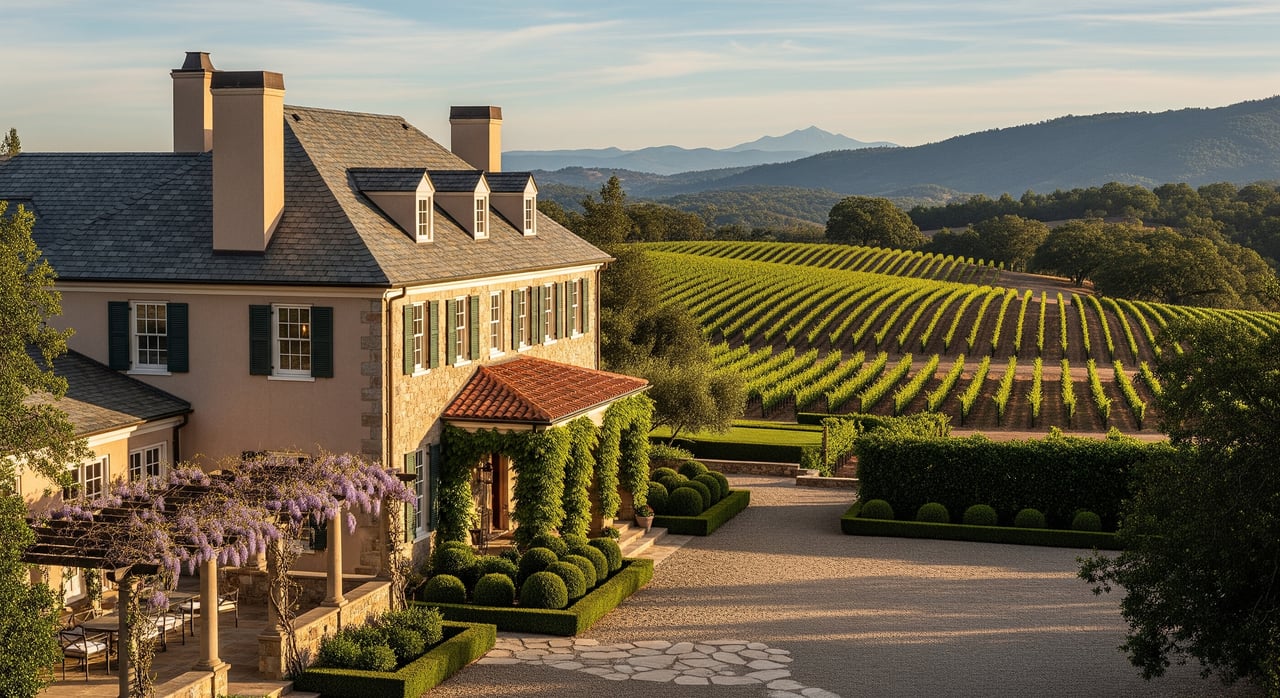
- Character: Mayacamas foothills with winding roads, terraced vines, and dramatic west or southwest views.
- Typical properties: Gated estates, hillside vineyards, mature landscaping, and architecturally distinct homes.
- Best for: Seclusion, scenery, and a retreat-like setting. Boutique vineyard plantings are common.
- Tradeoffs: Steeper access and potentially higher site-work costs. Wireless and utility service can vary by micro-location. Wildfire mitigation is a priority.
East-side valley floor and Silverado Trail corridor
- Character: Flatter, agricultural landscape with larger estate parcels and established vineyards.
- Typical properties: Vineyard estates with barns and ag structures, homes oriented to sunrise and pastoral views.
- Best for: Buyers prioritizing plantable acreage and efficient access for vineyard operations.
- Tradeoffs: Views are less elevation-driven than on the west side. Expect normal agricultural activity and seasonal equipment.
North-of-town rural parcels
- Character: A more rural transition toward Calistoga with ranch properties and open land.
- Typical properties: Ranch-style homes, functional outbuildings, and room for horses or other uses.
- Best for: Privacy and equestrian or agricultural pursuits.
- Tradeoffs: Longer drives to Main Street. Expect wells and septic in many cases.
Resort-adjacent enclaves
- Character: High-end pockets near resort lands or luxury vineyards with polished amenities.
- Typical properties: Turnkey estates with pools, guest cottages, wine cellars, and curated landscaping.
- Best for: Low-maintenance luxury, hospitality-ready layouts, and quick access to town.
- Tradeoffs: Price premium for condition, amenities, and convenience.
Historic residential pockets
- Character: Tree-lined streets with notable architecture and a sense of place.
- Typical properties: Restored Victorians, bungalows, and cottages on smaller lots.
- Best for: Historic charm and a connection to community events.
- Tradeoffs: Potential preservation constraints and smaller yards. Remodel work may require careful planning.
What to know before you buy
Zoning and entitlements
- Properties in city limits follow municipal zoning while surrounding parcels are governed by Napa County rules.
- Commercial wine production or a tasting room requires county permits and sometimes a conditional use permit. Buying vineyard land does not automatically grant winery rights.
- Agricultural classifications and assessments can affect property taxes. Consult the County Assessor and a tax advisor.
Water, wells, and irrigation
- In-town homes typically connect to municipal water. Rural and vineyard parcels often rely on wells or surface water rights.
- Vineyard irrigation depends on reliable water rights and infrastructure. New or expanded plantings may require well work or new meters.
- Drought and groundwater limits can impact landscaping and vineyard viability.
Septic and sewer
- Many downtown properties connect to municipal sewer. Confirm connection and capacity during due diligence.
- Rural parcels usually use septic systems. Soil tests, tank condition, and system capacity influence expansion options and budget.
Wildfire, flood, and seismic
- Napa Valley has meaningful wildfire risk, especially in wildland-urban interface areas. Plan for defensible-space maintenance and fire-hardening building features.
- Insurance has tightened in parts of California. Obtain preliminary quotes early in your process.
- Some valley-floor parcels near creeks or the Napa River headwaters may fall within FEMA flood zones. Flood insurance and elevation requirements may apply.
- Standard California seismic considerations are relevant. Hillside construction can require geotechnical review.
Short-term rental rules
- Many Napa jurisdictions regulate short-term rentals through permits or restrictions. If you plan to host guests, verify city and county rules before you buy.
Utilities and connectivity
- In-town properties typically have municipal utilities. Rural properties may rely on PG&E electric, propane, and variable broadband or cellular service.
- If you need reliable remote-work connectivity, confirm fiber, cable, or 5G availability during inspections.
- Private roads may have maintenance agreements and shared costs.
Specialized inspections
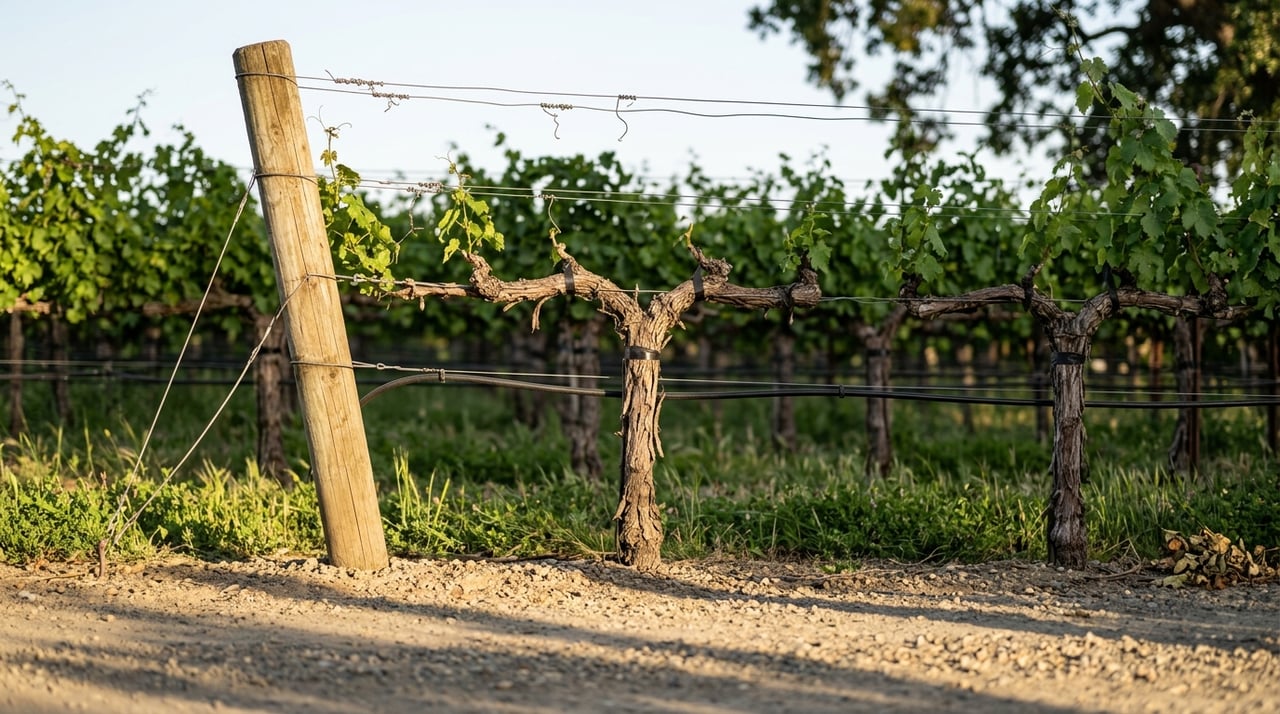
- Vineyard due diligence: Assess vine age, varietal and rootstock, trellis and irrigation, disease or pest history, and yield records. Consider hiring a viticulturalist.
- Site and soils: Hillsides may require retaining walls and graded pads. Valley-floor parcels may need drainage upgrades.
- Permits and history: Review any existing entitlements, water use limits, or unpermitted structures that could affect future plans.
Ownership costs beyond price
- Budget for vineyard management, water and power, property management, private road or gate upkeep, and wildfire mitigation.
- Expect supplemental property taxes after a purchase based on reassessed value.
Match your lifestyle to the right location
- Lifestyle second-home buyer: Choose downtown or resort-adjacent enclaves for walkability, dining access, and low-maintenance grounds.
- Vineyard owner or small-production winemaker: Favor the east-side valley floor and Silverado Trail for plantable acreage and access, or select west-side hills for specific sun exposures.
- Privacy and scenic-view buyer: Focus on west-side hillside estates where elevation and seclusion drive the experience.
- Equestrian or ranch buyer: Look north of town and on larger valley-floor parcels that support animal uses and outbuildings.
- Turnkey luxury buyer: Target resort-adjacent estates and fully improved properties within a short drive to Main Street.
Due diligence checklist
- Current MLS data and full seller disclosures
- Preliminary title report and easements, including private road agreements
- Review Cal Fire fire hazard severity maps and FEMA flood maps
- Insurance pre-qualification for homeowner, wildfire, and flood
- Septic and well inspections, plus water availability confirmation
- Viticultural inspection and irrigation assessment for any vineyards
- Verification of existing entitlements and any restrictions, such as winery or STR rules
- Soil or geotechnical report for hillside or new construction plans
- Historic resource or preservation considerations for older homes
- Utility access and broadband or cellular coverage verification
- Consult a tax advisor on agricultural assessment, Prop 13, and second-home implications
Work with an advisor who knows estates and vineyards
Choosing where to live in St. Helena is as much about landscape and lifestyle as it is about entitlements, water, and long-term stewardship. A local, vineyard-savvy approach helps you weigh tradeoffs with clarity, whether you are buying a turnkey estate near town or building a boutique wine program on the valley floor. If you want a confidential, design-forward process and guidance grounded in local operations, connect with Jamie Spratling. Request a confidential consultation.
FAQs
How do St. Helena price ranges compare across downtown, valley floor, and hillsides?
- Price dispersion is significant and inventory is small, so consult current MLS data and recent brokerage market reports for up-to-date guidance.
Can I plant grapes or open a small winery on a new estate purchase?
- Plantings depend on water and site conditions, and any commercial wine production or tasting room requires county permits and possibly a conditional use permit.
What should I know about water for vineyards and landscaping in St. Helena?
- In-town homes generally use municipal water while rural parcels rely on wells or surface water rights, and drought or groundwater limits can affect irrigation plans.
How does wildfire risk affect buying a hillside property near St. Helena?
- Expect defensible-space requirements, potential fire-hardening needs, and tighter insurance markets, so obtain quotes early and review Cal Fire guidance.
Are short-term rentals allowed if I am not a full-time resident?
- Many Napa jurisdictions restrict or regulate STRs with permits, so verify current city and county ordinances before you plan to host.
What inspections are unique to vineyard estates in Napa Valley?
- Arrange a viticultural assessment, irrigation review, soil and drainage evaluation, plus standard septic, well, and structural inspections.
How far is St. Helena from San Francisco and major airports for weekend use?
- Drive times are generally 1.5 to 2 hours to San Francisco and 1 to 1.5 hours to SFO depending on traffic, so check real-time conditions before departure.
Who provides school information for families considering St. Helena?
- For neutral, factual information, refer to the Napa Valley Unified School District and confirm school options directly with the district.