Buying in Napa comes with a few more moving parts than a typical suburban purchase. You are balancing inspections, loan milestones, and county-specific due diligence that can affect timing. The good news is that with a clear plan, you can move from offer to keys with confidence. In this guide, you will see a step-by-step escrow timeline, what is unique in Napa County, and where to add time so you do not feel rushed. Let’s dive in.
The escrow timeline in Napa County
A standard financed escrow for a residential property in California runs about 30 to 45 days. Napa County follows this pattern, with added time when wells, septic, vineyards, or winery permits are involved. Here is what to expect.
Day 0: Offer accepted
- Open escrow and deposit your earnest money. In California, a common earnest money range is 1 to 3 percent of the purchase price, and it is negotiable.
- Escrow prepares initial instructions and opens the file.
- Your lender is notified so loan processing can begin.
Days 1–3: Start fast
- Escrow deposits the earnest money and orders the preliminary title report.
- You schedule inspections: general home, pest/termite, and any specialty inspections such as septic, well, roof, or HVAC.
- The seller delivers disclosures, including the Transfer Disclosure Statement, Natural Hazard Disclosure, and property-specific reports.
Days 3–10: Inspections and title
- Inspections are performed and you receive reports.
- If you are financing, your lender orders the appraisal.
- The title company issues the preliminary title report and flags any items to resolve, such as easements or liens.
- If the property is part of an HOA, request HOA documents and CC&Rs early. Review fees, rules, and financials.
Days 7–17: Contingency window
- Your inspection contingency typically falls within 7 to 17 days in California. You will either accept the property, request repairs or credits, or exercise your contractual right to cancel.
- Loan and appraisal contingencies often align around 17 to 21 days. Coordinate timing so you do not remove contingencies before you are ready.
Days 10–21: Appraisal and insurance
- The appraisal is completed and underwriting reviews your file. If the appraisal is below the contract price, you can renegotiate, bring extra cash, or adjust loan terms with your lender.
- Start homeowners insurance quotes early. In areas with higher wildfire exposure, obtaining an acceptable binder can take time and may affect closing.
Days 21–35: Clear to close
- Your lender issues a clear to close once all conditions are met.
- Schedule the final walkthrough, usually 24 to 72 hours before closing.
- Escrow prepares closing documents, prorates taxes and other charges, and coordinates final funds.
Day 30–45: Sign and record
- You sign loan and closing documents.
- Funds are wired to escrow, and the deed records with the county recorder.
- Title insurance is issued and you receive keys.
Variations to plan for
- Cash purchase: Without lender steps, you can close in about 7 to 14 days if title and inspections are clear.
- Rural, vineyard, or winery property: Build in an extra 2 to 6 weeks for well and septic testing, vineyard due diligence, water rights, and permit reviews.
- Competitive terms: Some sellers request shorter contingency windows. If you are out of area, confirm you can complete inspections on the proposed schedule before agreeing.
Napa-specific due diligence essentials
Buying in Wine Country often means agricultural infrastructure, private utilities, and land-use permits. These items can add time and deserve early attention.
Wells and water rights
- Order a well inspection and confirm well yield and water quality. Ask for recent pump records and water tests such as coliform and nitrates.
- Verify any shared well agreements or easements and who maintains and pays for the system.
- For irrigated land and vineyards, clarify any surface water rights and appropriative claims.
Septic systems and wastewater
- Confirm septic capacity and function with a septic inspection. Review septic permits and any repair or pumping records.
- If a winery or production use is present, review wastewater discharge requirements. Winery wastewater can require engineered systems and monitoring that affect operations and cost.
Vineyards, soils, and agricultural use
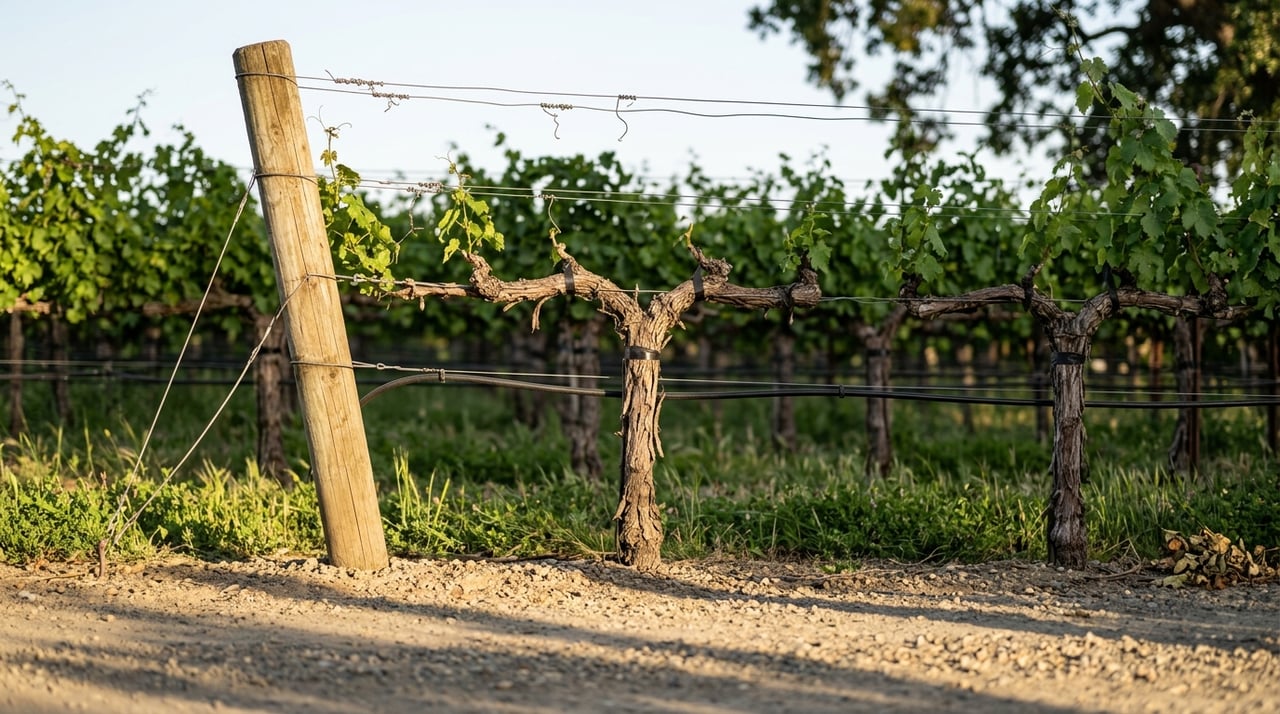
- Request crop history, vineyard management records, and vine age.
- Review soil reports and slope or erosion factors if you plan new planting or replanting.
- Ask about agricultural easements or contracts, including Williamson Act participation, which can affect taxes and permitted uses.
Winery operations and permits
- Operating wineries and tasting rooms typically rely on county land-use permits that define production, visitors, and hours.
- Request full permit history and confirm there are no outstanding violations.
- Verify wastewater permits and water-use records, and confirm how permit conditions transfer.
Right-to-farm, easements, and access
- Expect Right-to-Farm disclosures that reflect Napa’s agricultural setting.
- Review recorded easements for access, utilities, shared drives, and agricultural operations. Confirm that access aligns with your plans.
Fire risk and insurance
- Many Napa properties sit in higher fire severity zones. Confirm defensible-space compliance and access requirements.
- Start insurance quotes early. Some carriers may decline or price policies higher in Very High Fire Severity Zones, and your lender will require an insurance binder before funding.
Recordings, taxes, and fees
- Documentary transfer taxes may apply at the county and city level and are handled at closing.
- Property taxes are prorated. If the property benefits from an agricultural assessment, confirm how a transfer may affect it.
Who does what in escrow
- Buyer: Order inspections, apply for the loan, secure insurance, review disclosures and title, clear loan conditions, and sign closing documents.
- Seller: Provide disclosures, grant access for inspections, address agreed-upon repairs, and resolve title issues as negotiated.
- Escrow and title: Open escrow, hold funds, conduct the title search, prepare settlement statements, and record closing documents.
- Lender: Order the appraisal, underwrite the loan, and issue clear to close.
- Agents: Coordinate inspections, manage timelines, negotiate repairs or credits, and maintain communication between all parties.
Practical tips for Bay Area and out-of-area buyers
- Plan one in-person visit during inspections if possible. If not, have a trusted local inspector or representative attend and debrief you.
- Allow 45 to 60 days when wells, septic, vineyards, or winery permits are involved.
- Confirm county permits and records early and request transfer details for any use permits.
- Verify utilities and private road maintenance agreements that can affect access and costs.
- Begin insurance and loan pre-approval before you write your offer so you can move quickly after acceptance.
Documents and inspections checklist
Request these documents right away:
- Transfer Disclosure Statement and Natural Hazard Disclosure
- Preliminary title report and any recorded easements
- Septic permits and service records; well yield and water quality reports
- Winery or Conditional Use Permits, if applicable
- HOA documents and CC&Rs, if applicable
- Recent tax bills and any agricultural or conservation agreements
Order these inspections early:
- General home inspection and pest/termite inspection
- Roof, HVAC, electrical, and other specialty inspections as needed
- Septic inspection and percolation test if required
- Well flow and water quality testing
- Survey if boundaries or encroachments are a concern
- Vineyard and soils assessment; environmental or wastewater review for winery operations
How to stay on track week by week
- Week 1: Open escrow, deposit earnest money, order inspections, and request documents.
- Week 2: Complete inspections, receive the preliminary title report, and respond to any urgent findings.
- Week 3: Appraisal returns and initial underwriting review. Align contingency removal with real progress.
- Week 4: Address repairs or credits, firm up insurance, and finalize loan conditions.
- Week 5–6: Clear to close, conduct final walkthrough, sign, fund, and record.
Smart negotiation checkpoints
- Repairs vs. credits: On rural or older properties, credits are common. Get estimates to size the request properly.
- Appraisal gap: Consider language that addresses low appraisals, such as price adjustments or additional cash, if needed.
- Title exceptions: Review easements early and make sure they do not block your intended use.
- Agricultural leases: If crops or leases exist, confirm how they affect possession and any revenue.
Plan a quick orientation call
A 15-minute orientation call right after acceptance can save days. Cover your target close date, inspection availability, lender milestones, permit or entitlement priorities, and the immediate document requests. This aligns expectations and keeps your timeline realistic.
Ready to move forward?
If you want a calm, well-structured path from offer to keys in Napa County, let’s set your timeline and due diligence plan now. Request a confidential consultation with Jamie Spratling to map your escrow around your goals and the property’s specifics.
FAQs
How long does escrow take for a financed Napa home?
- Typical financed escrows run 30 to 45 days. Add time for wells, septic, vineyards, or permit reviews.
Can I close faster if I am paying cash in Napa?
- Yes. With clear title and straightforward inspections, cash purchases can close in about 7 to 14 days.
When do I remove my inspection contingency in California?
- It depends on your contract. Common ranges are 7 to 17 days. Align this with inspection scheduling and report delivery.
What if the appraisal comes in below the purchase price?
- You can renegotiate the price, bring additional cash to bridge the gap, or adjust loan terms with your lender.
Are there special inspections for vineyards or wineries?
- Yes. Plan for vineyard and soil reviews, water rights confirmation, and wastewater or environmental assessments for winery operations.
How does wildfire risk affect closing in Napa County?
- Your lender requires an insurance binder to fund the loan. In higher fire severity zones, finding coverage can take longer or cost more, which may impact timing.