Napa Vineyard Value Drivers That Matter Most
March 5, 2026
March 5, 2026
If you have been watching Napa vineyard listings, you have likely noticed the same acre can be priced at $50,000 or more than $500,000. That spread is real, and it is rational when you understand the levers behind it. Whether you are building a brand platform, expanding supply, or seeking a legacy estate, a clear framework will help you separate storytelling from durable value. In this guide, you will see how the market really prices acres, what drives upside, what to discount, and a simple way to model return. Let’s dive in.
Recent market reporting shows three broad price bands across Napa Valley, driven by location, planting status, parcel size, and entitlements: prime valley-floor and blue-chip hillside areas at roughly $300,000 to $525,000 per acre, secondary pockets and cooler benches at about $165,000 to $375,000 per acre, and outlying or lower-recognition parcels at $50,000 to $165,000 per acre. These are market ranges, not appraisals, and each parcel trades on its specifics. You should expect a parcel-by-parcel valuation based on the factors below, not a simple average. See the context in recent market reporting.
A small-parcel premium is common. Per-acre pricing typically declines as acreage increases, because very small estate-ready parcels can carry scarcity, residential or tasting potential, and branding value. The pattern is documented in hedonic research on small vineyards. When comparing comps, always match by size, AVA, and permitted uses.
Under the surface, the revenue anchor is simple: expected grape price per ton multiplied by reliable yield per acre. Napa County sits at the top of California pricing, with county averages for premium reds in the high thousands per ton and some small lots trading far above that. Use the California Grape Crush report for current, variety-specific prices and district data.
Yields vary by site and farming intent. For premium Cabernet in Napa, quality-focused regimes often target about 1.5 to 4.0 tons per acre. Higher yields can increase tons but may lower the per-ton price a buyer will pay. Your job is to identify the sustainable sweet spot for the block, not a one-time, perfect-year peak.
On costs, build per-acre operating and establishment assumptions from credible regional benchmarks. The UC North Coast sample costs offer a practical baseline to structure a conservative, base, and upside scenario. Model per-acre NOI, then ask whether the asking price makes sense on a capitalization and strategic basis.
Sub-AVA identity affects both grape price and brand positioning. Parcels in highly recognized sub-AVAs such as Oakville, Rutherford, Stags Leap, or Howell Mountain often command premiums because of labeling leverage and buyer expectations. Academic analyses, including studies in the Journal of Wine Economics, show measurable effects from AVA designation on pricing.
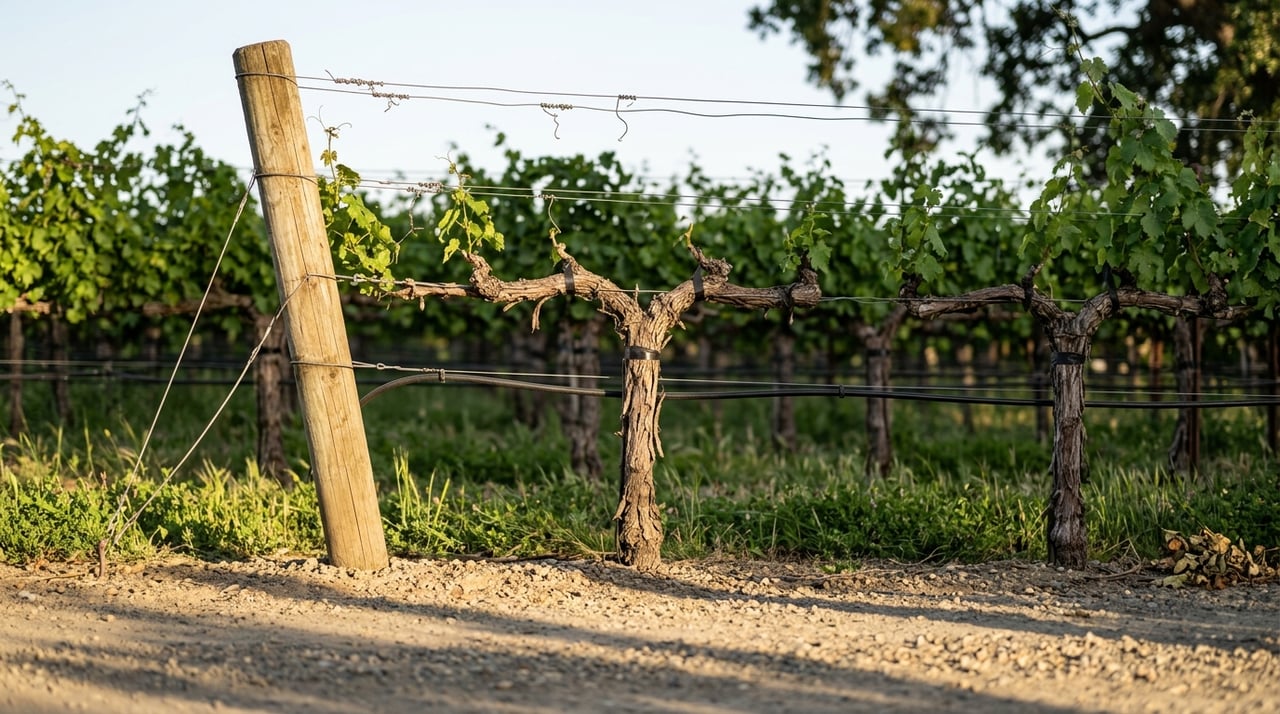
Older, well-maintained vines can support a premium when they reliably produce concentrated fruit, but vine age is variety- and style-dependent. Pay close attention to planting year, replant history, clone and rootstock choices, and any phylloxera or vigor considerations, since these affect remaining productive life and near-term capital needs. For context on vine-age effects, see research on vine age and fruit quality.
Block design shapes both fruit quality and cost. Row orientation, slope, headlands, and access influence frost exposure, airflow, and mechanization potential. Trellis and spacing affect sun exposure and canopy management. These layout choices show up in your operating budget and in your ability to target premium, lower-yield fruit. Use regional benchmarks, like the UC North Coast sample costs, to sanity-check assumptions.
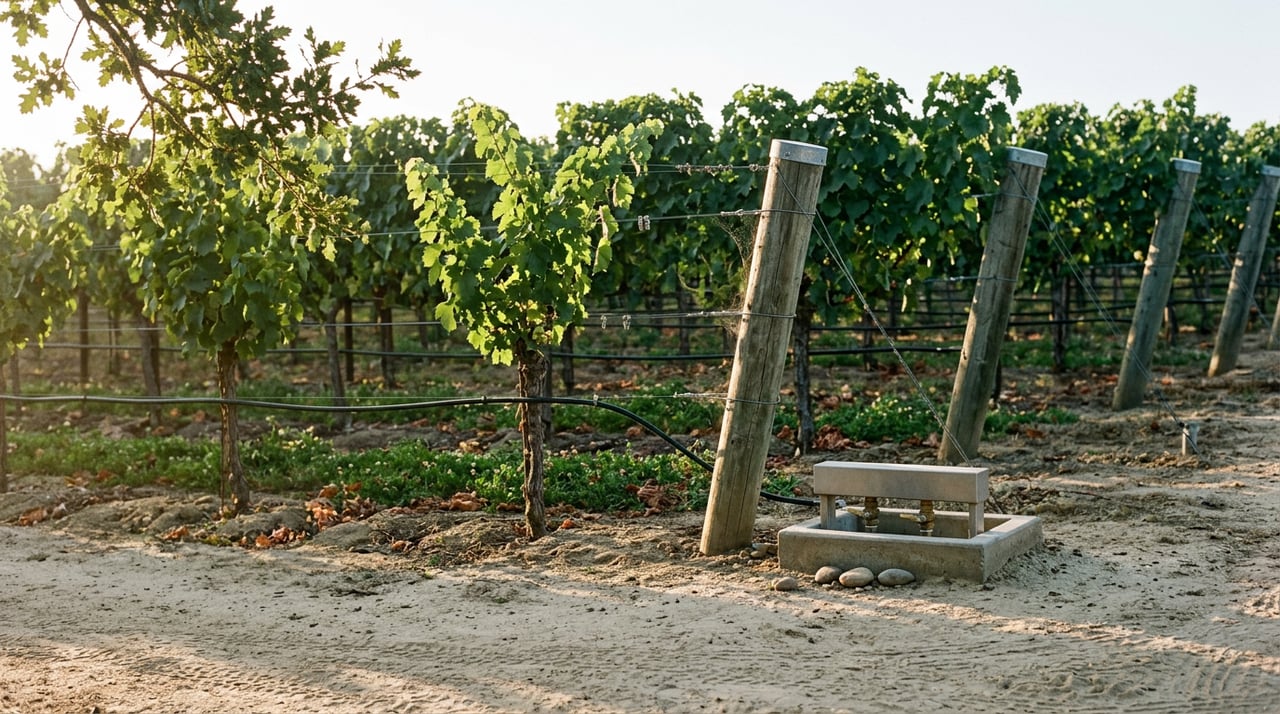
Reliable irrigation is a valuation gate. Confirm well capacity, storage, and any shared agreements. Napa County has adopted the Napa Valley Subbasin Groundwater Sustainability Plan, and implementation includes program fees to fund monitoring and compliance. As you model cash flow, include these fees and consider any future operating constraints tied to groundwater management.
A parcel with an existing winery permit, tasting authorization, or approved event capacity can justify a significant premium. In Napa County, new entitlements are discretionary and time-consuming, and some conditions may not be transferable. Always obtain and review the full use-permit file and confirm what is permitted today versus what is merely proposed.
California created a new pathway for limited estate tasting events on vineyard parcels you own or control through the “Type 93” Estate Tasting Event permit. Napa County is piloting local rules that cap attendance, trips, and add safety conditions. The net result is more potential for experience-driven sales on agricultural parcels, but with practical limits. Review Napa County’s AB 720 Estate Tasting Event program carefully to understand what a specific site can support.
Long-term grape purchase contracts, winery supply agreements, and established brand relationships can stabilize revenue and meaningfully increase what a strategic buyer is willing to pay. Conversely, parcels without a committed buyer or with thin production records face price volatility and risk. DTC potential, where legally and operationally feasible, can further lift returns by increasing per-case margins compared to wholesale-only models.
Wildfire and smoke exposure are now core underwriting factors. Napa County’s updated hazard designations affect building standards, insurance availability, and long-range operating risk. Review Napa County’s fire hazard severity maps and ask for any smoke-taint testing history from prior vintages.
Regulatory costs matter. Groundwater program fees, labor and input inflation, and traffic or fire-safety constraints tied to tasting or events should be reflected in your NOI model. The Groundwater Sustainability Plan pages are a good starting point for water-related obligations.
Use this checklist to benchmark an asking price against long-term potential.
Premium drivers
Red flags
The best Napa vineyard purchases balance romance with rigor. If you tie price to the income engine, respect AVA and brand effects, verify water and permits, and discount real risks, you can pay up with confidence when a parcel deserves it. If you would like a discreet second set of eyes on a target property or to structure a disciplined valuation process, connect with Jamie Spratling for a confidential consultation.
Stay up to date on the latest real estate trends.