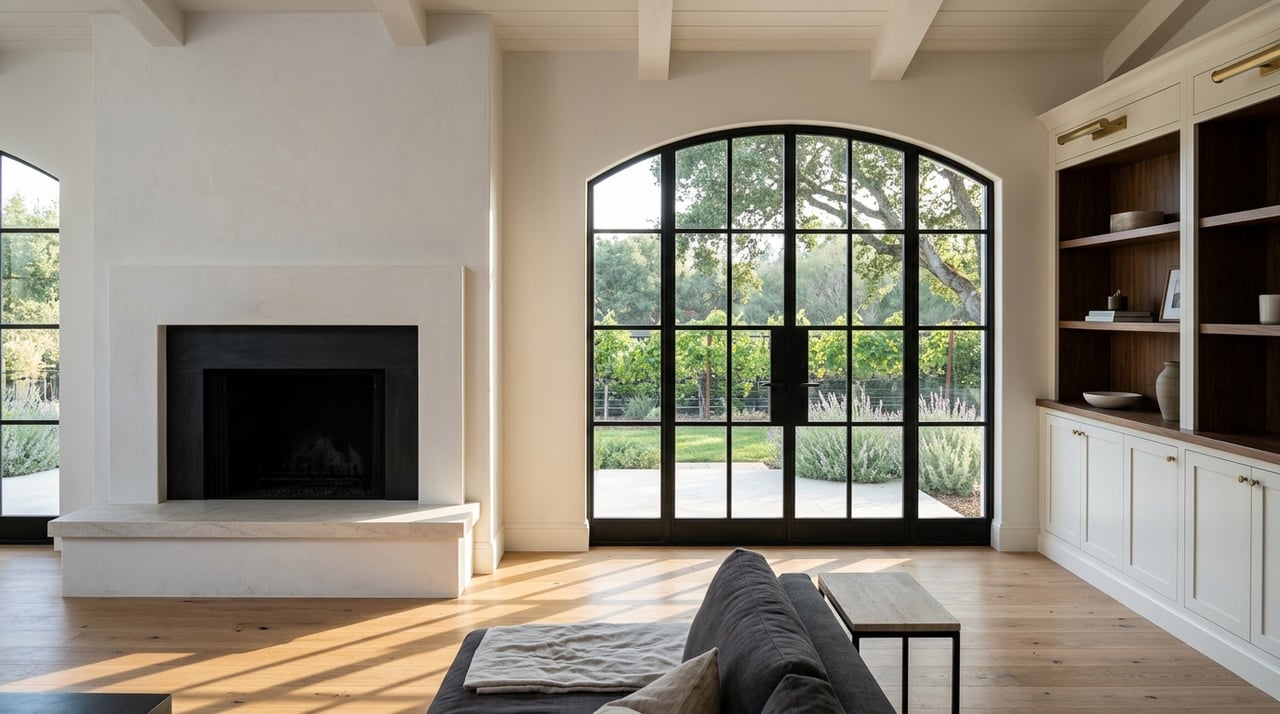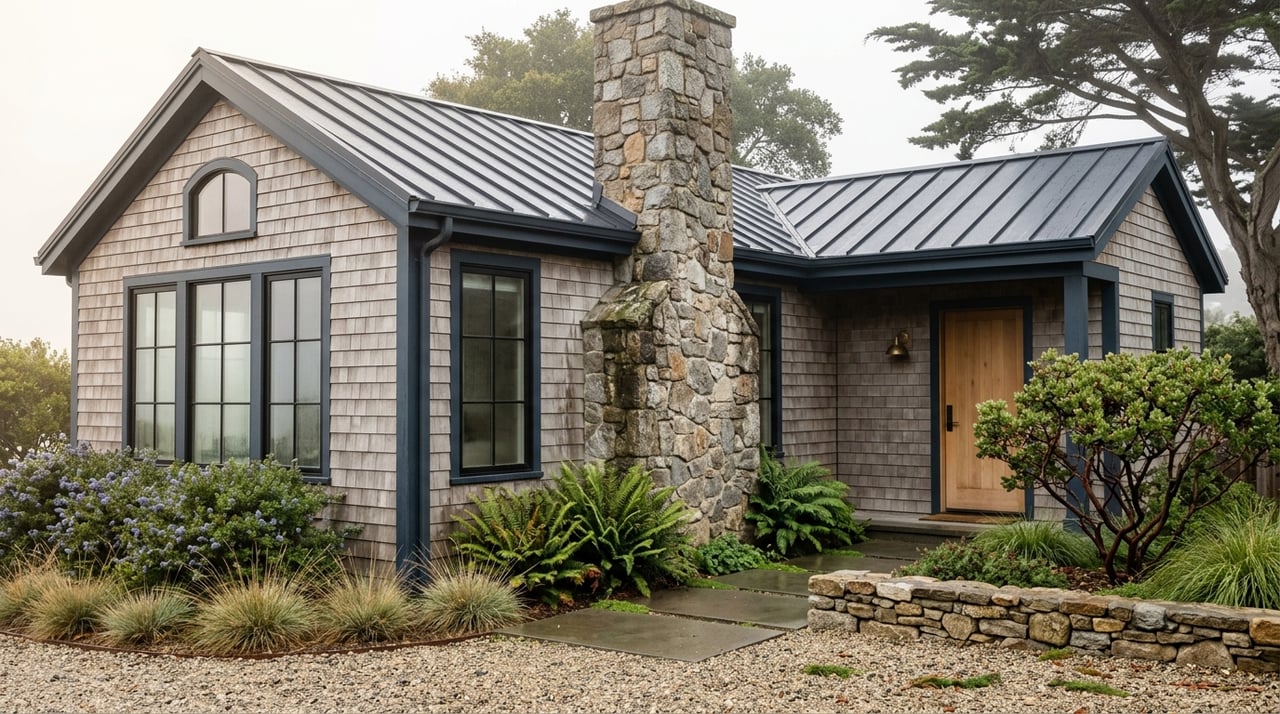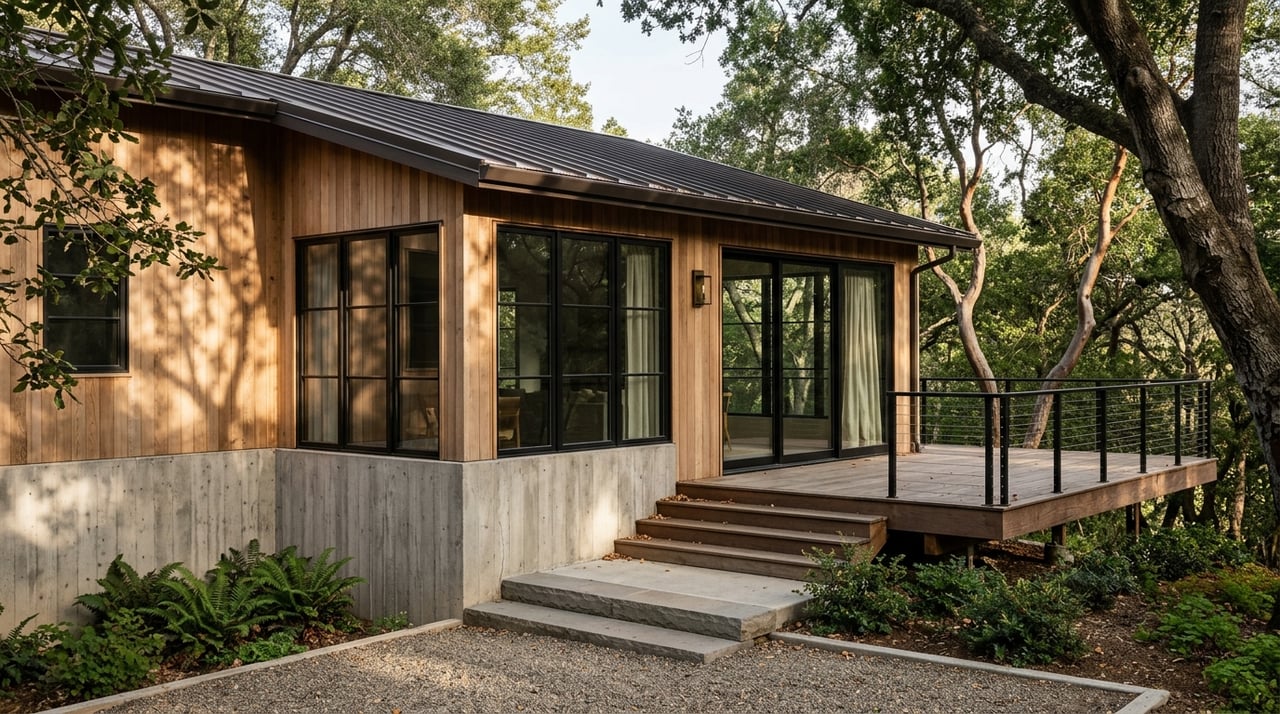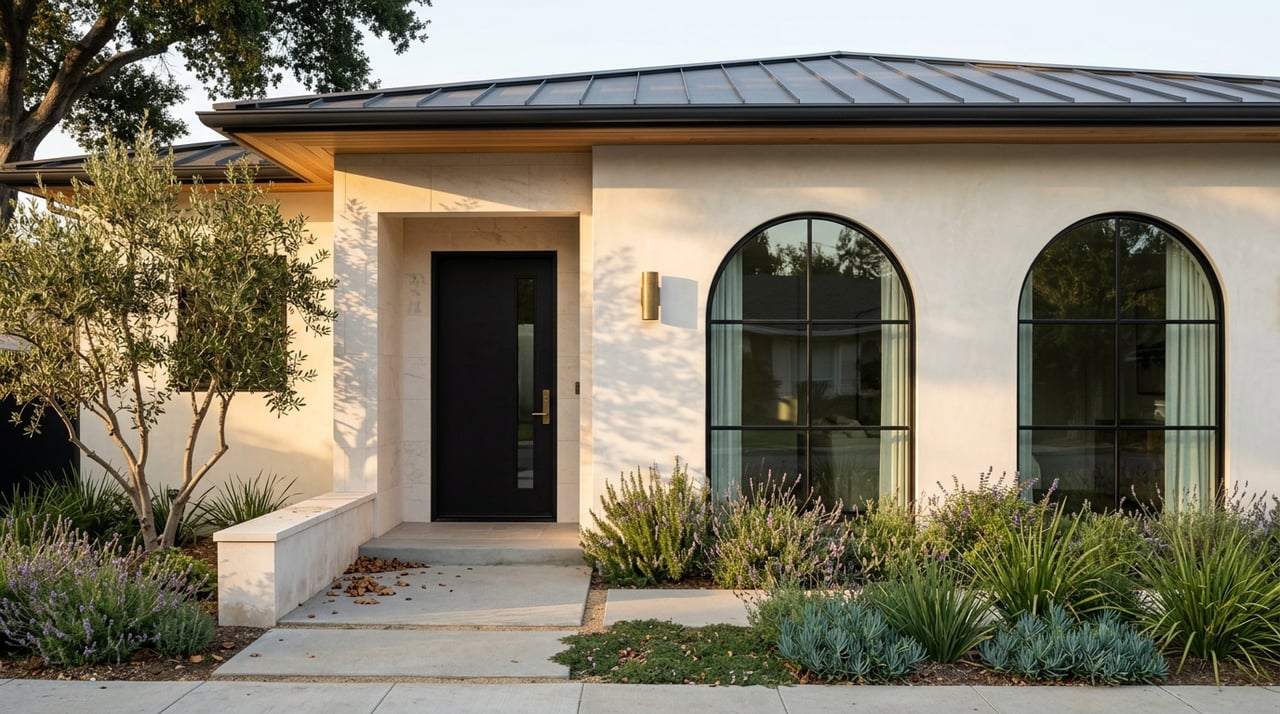
Explore Napa Design-Forward Neighborhoods
June 25, 2026
June 25, 2026
If you are drawn to homes with character, Napa offers more than one design story. Here, you can find preserved Victorian streetscapes, layered hillside neighborhoods, mid-century ranch pockets, and riverfront areas that feel distinctly contemporary. If you are trying to decide where your aesthetic fits best, this guide will help you understand the architectural fabric of Napa and where to start your search. Let’s dive in.
Napa describes itself as an old California city founded in 1847 that has become vibrant and modern while still respecting its past. That balance is easy to see on the ground. Protected historic districts, northern California Victorian homes, and contemporary architecture all exist within a relatively compact cityscape.
For you as a buyer, that means Napa is not defined by a single look. Instead, it offers a spectrum of settings, from historic residential blocks near downtown to postwar neighborhoods with remodel potential and newer waterfront enclaves. The appeal is in the contrast, and in how clearly each neighborhood expresses its own design identity.
Downtown Napa is the city’s clearest example of mixed-use, design-led urban living. The district sits along the west bank of the Napa River, and its historic context reflects a pattern where commercial and residential buildings were interspersed rather than separated into rigid zones. That layered development pattern still shapes how downtown feels today.
If you enjoy walkability and a more connected daily rhythm, downtown offers a strong fit. City materials highlight easy access to Oxbow Public Market, the seasonal farmers market, the Napa Valley Opera House, and a mix of retail and dining. The riverfront setting adds another layer, giving the neighborhood a visual softness that distinguishes it from a more conventional main street environment.
Design-wise, downtown stands out for its human-scaled public realm. The city’s riverfront guidance emphasizes pedestrian-friendly development and consistency with Napa’s architectural tradition. Public art also plays a visible role through mural, utility-box, and pavement-art programs that make the district feel curated rather than accidental.
Downtown is also evolving. The First Street Napa Phase II project is set to add a 78-unit residential condominium building, a hotel, a reconstructed Brown Street corridor, landscaping, public art, and a paseo that restores the historic grid. For buyers who appreciate adaptive reuse, infill, and a more contemporary interpretation of Napa’s traditional fabric, downtown remains one of the city’s most compelling areas.
Fuller Park and Napa Abajo are the strongest choices if you are looking for historic residential architecture with a clear sense of place. Both neighborhoods were settled in the mid-1800s, before Napa’s incorporation, and both are listed on the National Register of Historic Places. They remain primarily residential and hold some of the city’s most recognizable period homes.
In Fuller Park, the historic housing stock is largely made up of wood-frame single-family homes built between 1870 and 1920. Styles cited by the city include Italianate, Second Empire, Stick/Eastlake, Queen Anne, Colonial Revival, Classical Revival, and Craftsman. For a design-minded buyer, that means a visually rich streetscape with architectural detail that rewards close attention.
Napa Abajo offers a similarly historic feel, with wide, tree-lined streets and a long-established residential character. City materials also describe the neighborhood as multicultural, which speaks to its layered local history. If you are drawn to homes that feel rooted in Napa’s earliest development patterns, this part of the city carries that story clearly.
These neighborhoods are also important from a stewardship perspective. The city’s Napa Abajo and Fuller Park historic design guidelines apply to future alterations and development, which matters if you are considering renovation work. Even so, the area continues to evolve, as seen in ongoing playable-art and playground improvements at Fuller Park itself.
Alta Heights is one of Napa’s most interesting neighborhoods for buyers who want variety rather than a single architectural script. Located east of downtown and across the Napa River, it developed in several waves, which helps explain its broad mix of styles and home forms. The result is a neighborhood with movement, contrast, and a more collected feel.
According to the city’s historic survey, Alta Heights includes Victorian, Craftsman, Minimal Traditional, American Colonial Revival, Mid-century Modernism, and Ranch homes. The southwestern part of the neighborhood was largely built between 1890 and 1939, while later sections filled in through the 1960s. That timeline gives you a wide design vocabulary within one area.
Alta Heights also offers a strong relationship to topography. City materials note its varied architecture and sweeping views, which makes it especially appealing if you want a neighborhood where the siting of a home can feel as important as the home itself. In practice, that can translate to a more layered streetscape and a stronger sense of orientation to the landscape.
The neighborhood also carries a specific cultural thread. The city notes that many Italian families moved into northern Alta Heights after the 1906 San Francisco earthquake, giving rise to the Little Italy area. For buyers who value places with both visual interest and historical depth, Alta Heights deserves close attention.
Browns Valley offers a different design proposition. On Napa’s western edge, it is more view-oriented and landscape-driven than the historic core. If you prefer homes that feel connected to hillsides, larger lots, and a more relaxed residential rhythm, this area often stands out.
The city describes Browns Valley Central as a place that began as a valley of farms with orchards and prunes. Its historic context now includes single-family homes from the 1950s and 1960s alongside scattered older farmhouses and former agricultural properties. That combination gives the neighborhood a layered but less formal feel than Napa’s oldest districts.
For many buyers, the draw is the concentration of mid-century ranch houses and remodel-friendly properties. Browns Valley West is described as a hilly area where many homes enjoy sweeping valley views, which adds to the sense that the landscape is part of the design experience. Rather than strict period consistency, the appeal here is flexibility, outlook, and space.
The neighborhood is still changing at the street level as well. The city is actively rehabilitating Browns Valley Road and First Street, which signals ongoing public-realm investment. If you are looking for a home that can evolve over time while remaining grounded in a strong natural setting, Browns Valley is worth a closer look.
Westwood and Riverpark provide two distinct alternatives for buyers who lean away from ornate historic homes. Each offers a later-era interpretation of Napa living, though they do so in very different ways. Together, they help round out the city’s design spectrum.
Westwood dates to the 1940s and is described by the city as one of Napa’s earliest subdivisions. Many of its houses were built in the 1950s by the local Devita building family, which gives the neighborhood a postwar identity that can feel cohesive without being overly stylized. The area is also undergoing phased street and sidewalk rehabilitation, adding to its sense of continued investment.
Riverpark, by contrast, is a gated waterfront community along the Napa River. City materials note that many homes are oriented to river views or direct water access. For you, that can mean a more contemporary-feeling edge within Napa, especially if water orientation and a quieter visual language matter more than historic detailing.
The best neighborhood for you depends on what kind of design experience you want every day. In Napa, the question is often less about square footage and more about fabric, setting, and the kind of architectural story you want to live inside.
A simple way to frame your search is to think in categories:
Napa’s preservation and design-review framework also matters. City resources such as Heritage Napa, the Historic Resources Inventory, and neighborhood-specific design guidance reinforce that architecture here is not just aesthetic. It is part of how the city manages change, protects historic resources, and shapes future development.
For a design-minded buyer, that is part of Napa’s long-term appeal. You are not simply choosing a house. You are choosing a relationship to place, provenance, and the evolving visual language of the city.
If you are considering a move and want a more nuanced read on where your style, priorities, and long-term plans fit best, Jamie Spratling offers a discreet, design-aware approach to Napa Valley real estate.
Stay up to date on the latest real estate trends.