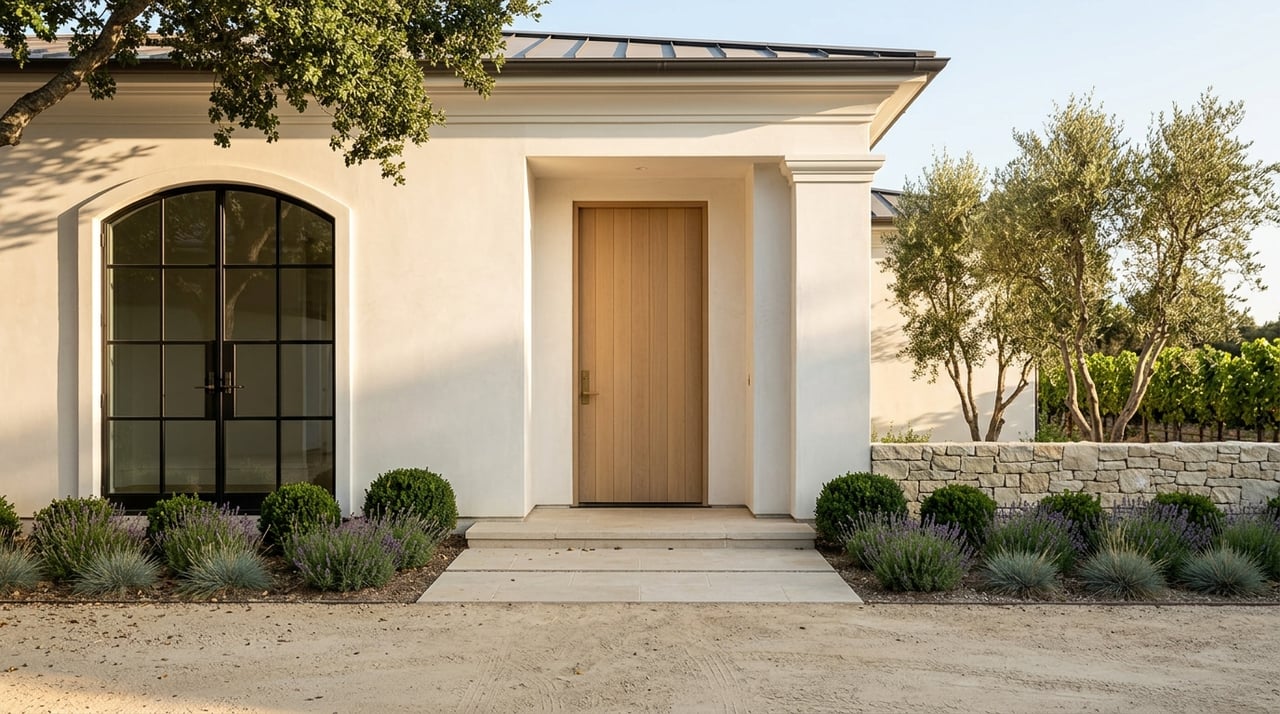
St. Helena Estate Neighborhoods: In Town or Vineyard Edge?
June 11, 2026
June 11, 2026
Are you drawn to the ease of Main Street living, or does the idea of waking up at the edge of the vines feel more like home? In St. Helena, that choice is not just about square footage or style. It is about how you want your days to unfold in one of Napa Valley’s most protected and tightly defined landscapes. If you are weighing an in-town address against a vineyard-edge estate, this guide will help you understand the tradeoffs, the value drivers, and the rhythms of each setting. Let’s dive in.
St. Helena is a full-service city of about five square miles, with an estimated 2021 population of 6,070. Even with its compact size, the city supports a broad mix of daily amenities, and the population rises during the day with visitors and commuters.
What makes the setting especially unusual is its relationship to the surrounding agricultural landscape. Napa County directs housing and commercial growth toward incorporated areas while preserving agriculture and open space, including 40- and 160-acre minimum parcel sizes in agricultural zones. In practical terms, that helps explain why estate living here feels scarce, protected, and highly location-sensitive.
For buyers, this creates two very different expressions of St. Helena living. One is centered on the town itself, with short distances and a historic commercial core. The other unfolds at the vineyard edge and benchlands, where the setting opens outward and the land becomes part of the experience.
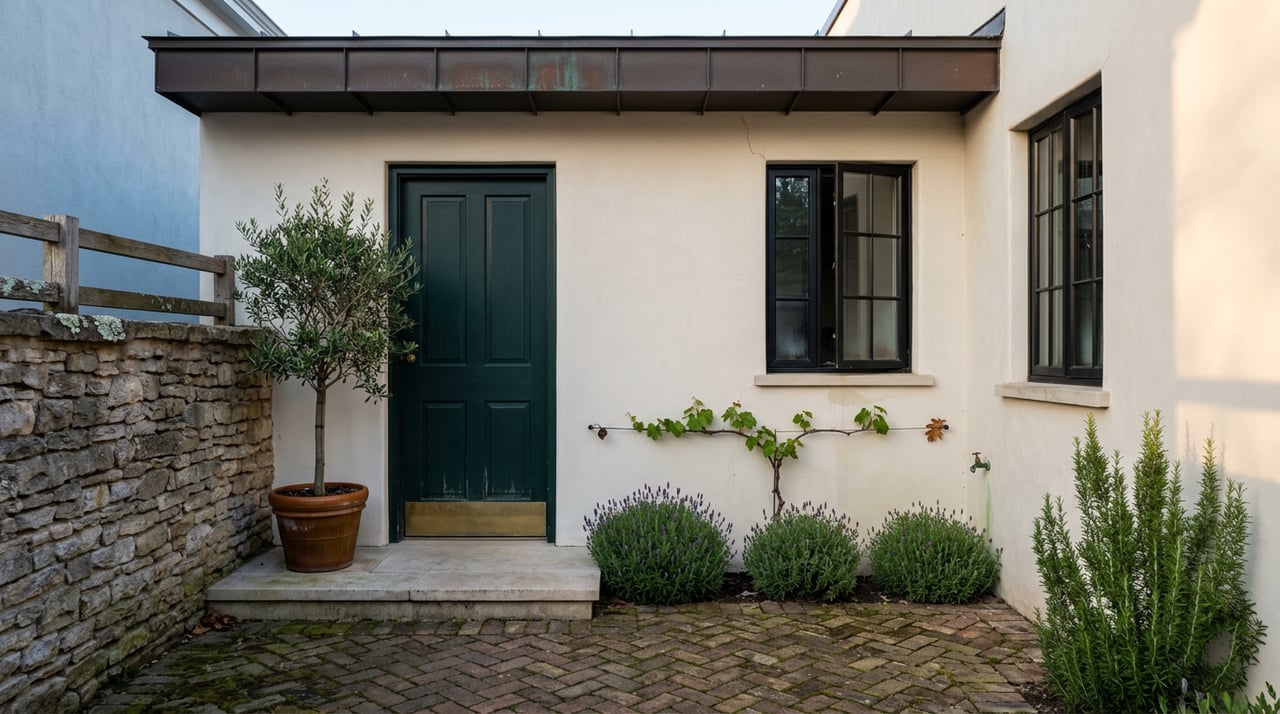
In-town St. Helena is shaped by a compact, historic downtown. The St. Helena Historic Commercial District centers on Main Street, stretches only two blocks northwest and southeast, and features buildings that front the sidewalk rather than sit behind deep setbacks.
That layout matters more than it may seem at first glance. It creates a setting where daily errands, dining, and leisure sit close together, giving the town center an easy, social rhythm. For many buyers, that is the heart of in-town appeal.
The city describes downtown St. Helena as a place for dining, retail, tasting rooms, art galleries, theaters, cinema, museums, lodging, salons, wellness, and a Main Street architectural walking tour. That range gives the center a layered feel, where practical stops and leisurely outings often happen in the same part of town.
If you value the ability to move through your day with fewer car trips and more spontaneous stops, in-town living stands out. A morning coffee, an afternoon appointment, and an evening dinner can all fit into a tighter geographic footprint.
St. Helena also offers a strong base of daily-use amenities for a city of its size. The city notes a local school district with a primary school, an elementary school, a middle school, and a high school, along with two preschools, a Montessori school, the Upper Valley Campus of Napa Valley College, and The Culinary Institute of America at Greystone.
Beyond academics, the city supports daily routines with civic and recreational resources. The St. Helena Public Library at 1492 Library Lane holds more than 60,000 items, including the Napa Valley Wine Library collection, and is open Monday through Saturday.
The Parks & Recreation Department maintains ten parks and four pathways. Crane Park includes a skate park, tennis courts, pickleball courts, and bocce courts, while the St. Helena Farmers’ Market takes place there on Fridays from May through October, from 7:30 a.m. to noon.
Practical convenience extends to health services as well. Adventist Health St. Helena, located at 10 Woodland Road, is an open general acute care hospital with 150 licensed beds and standby ER service.
In-town St. Helena tends to appeal to buyers who want a more connected daily routine. If you like being near Main Street, parks, the library, schools, and community services, the town center offers a level of ease that is hard to replicate farther out.
This setting can also be a strong fit if you are looking for a second home with less separation from daily conveniences. The lifestyle here is more immediate, more social, and more tied to the cadence of town life.
As you move outward from town, the experience shifts. The landscape becomes more expansive, the spacing between properties increases, and the setting feels more embedded in the broader agricultural fabric of Napa Valley.
This is where St. Helena estate living often takes on a different character. Rather than being organized around a walkable historic core, vineyard-edge and benchland properties are shaped by views, land, and the atmosphere of the valley itself.
The Saint Helena AVA sits within the narrower northern valley floor and is known for diverse soils and consistently warm weather. Napa Valley Vintners describes it as an hourglass-shaped area with elevations ranging from roughly 400 to 800 feet, mostly above the fog line.
The terrain and soils vary meaningfully across the area. Gravelly loam appears in the west, volcanic soils in the east, and the western benchland is protected by the nearby Mayacamas Mountains. For buyers, that translates into a setting with distinct micro-areas, even within a relatively compact geography.
The vineyard presence is substantial. The St. Helena AVA contains more than 400 vineyards and about 6,800 acres of grapevines, which means the agricultural setting is not a backdrop so much as a defining element of the landscape.
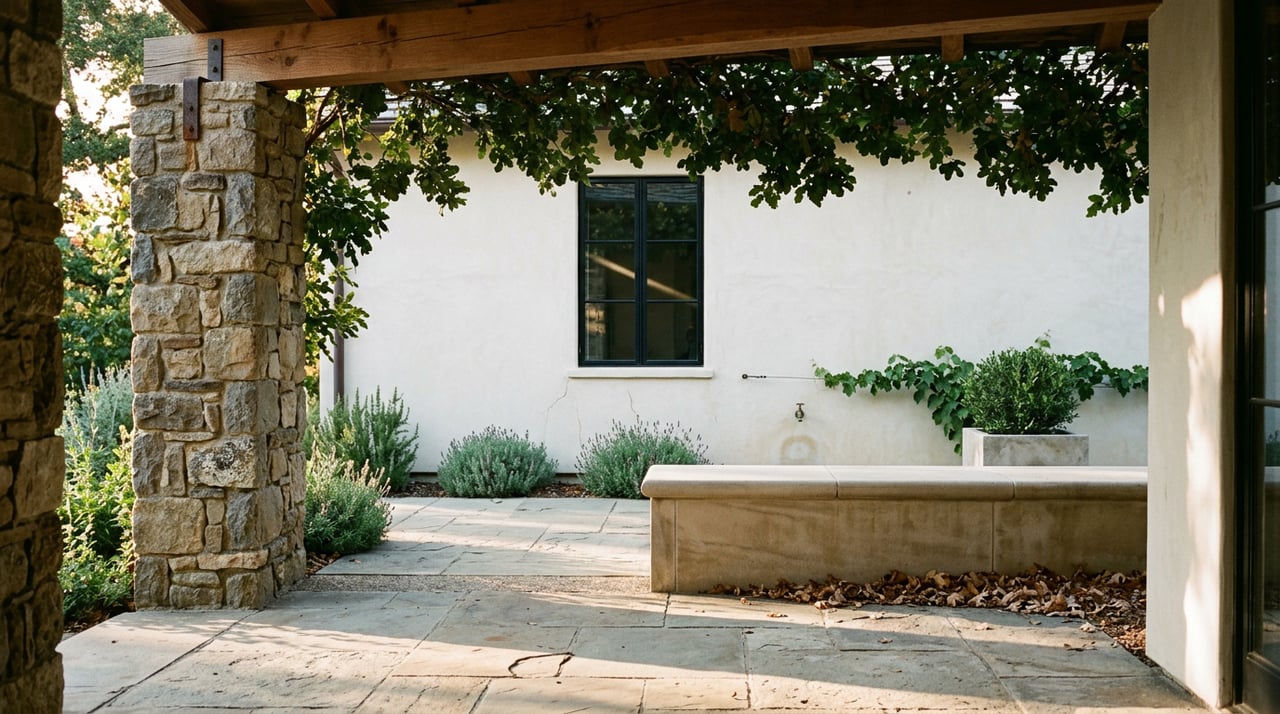
At the vineyard edge, the tradeoff is usually straightforward. You move farther from the compact convenience of downtown, but you gain a stronger sense of privacy, broader views, and a more immersive connection to the land.
For many estate and second-home buyers, that is the point. The property feels less town-adjacent and more rooted in the scenery, quiet, and openness that draw people to Wine Country in the first place.
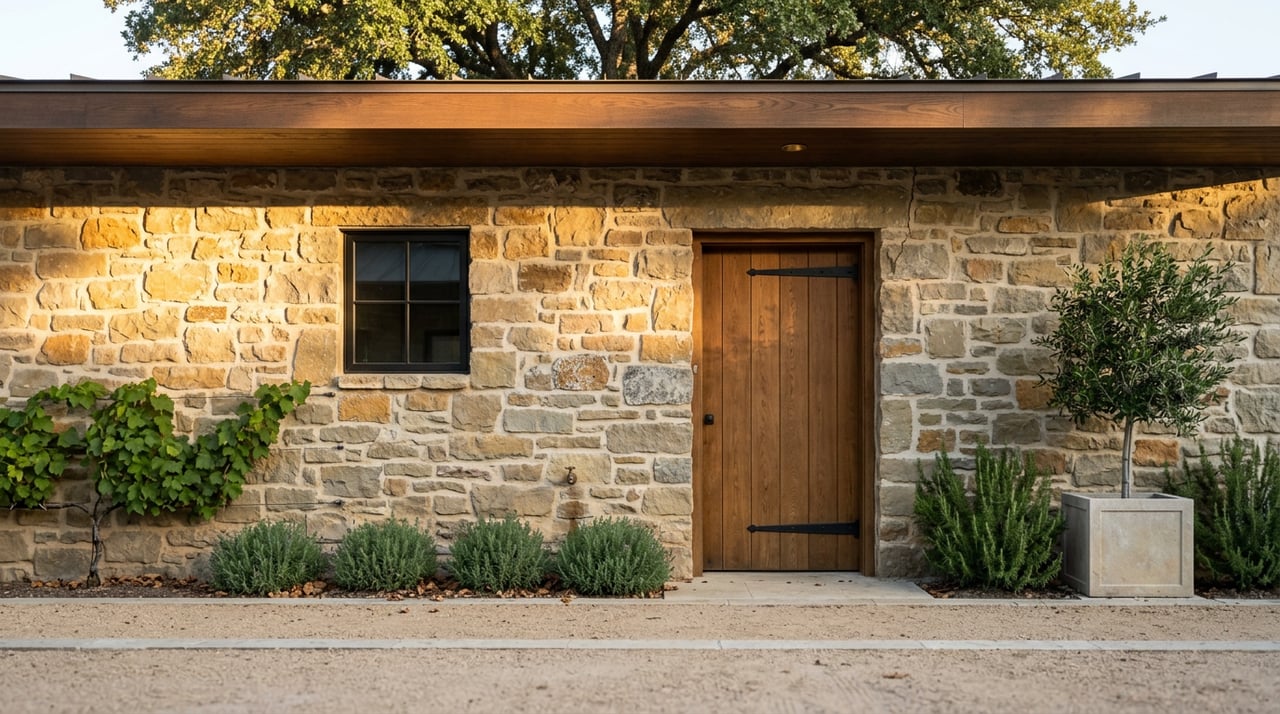
This wider setting also carries a different visual experience. Roads feel less urban, parcels often read larger, and the architecture has more room to engage with vineyard rows, topography, and long sightlines.
Even within the Saint Helena AVA, there are subtle shifts in character. Napa Valley Vintners notes that the northern half can feel more like Calistoga, while the southern half is closer in character to Rutherford.
That distinction is useful if you are trying to understand why two vineyard-edge properties near St. Helena may feel very different from one another. Small changes in siting, orientation, and surrounding land can have an outsized effect on the overall experience of the property.
The completed St. Helena-to-Calistoga Vine Trail segment adds another layer to the setting. The 8.2-mile stretch passes through vineyards, wineries, Bothe-Napa Valley State Park, and Bale Grist Mill State Historic Park, reinforcing how closely recreation and landscape are woven together in this part of the valley.
If you are deciding between these two lifestyles, it helps to frame the choice as convenience versus immersion. Both can be exceptional, but they deliver value in different ways.
| Lifestyle Factor | In-Town St. Helena | Vineyard Edge and Benchlands |
|---|---|---|
| Daily rhythm | More town-centered and efficient | More private and landscape-centered |
| Proximity to amenities | Closer to Main Street, parks, library, market, and services | Farther from downtown conveniences |
| Setting | Historic, compact, sidewalk-oriented | Agricultural, open, estate-scaled |
| Feel | Social and connected | Quiet and immersive |
| Typical draw | Walkability and ease | Views, separation, and vineyard atmosphere |
The right fit depends on how you want to live when you are here. If your ideal day includes frequent trips into town and easy access to amenities, in-town may feel intuitive. If your priority is a deeper sense of retreat and estate presence, vineyard edge may better align with your goals.
One of the clearest value themes in St. Helena is scarcity. Napa County preserves agricultural land and channels growth toward incorporated areas, while St. Helena’s downtown remains small, historic, and tightly built.
That means both in-town and vineyard-edge properties exist within meaningful supply constraints, but for different reasons. In town, scarcity comes from a compact urban form and historic fabric. At the vineyard edge, it comes from agricultural protections, parcel structure, and the geography of the valley.
For buyers thinking long term, this matters. You are not simply choosing between two home styles. You are choosing between two limited location types within a highly protected market.
Before you focus too narrowly on architecture or finishes, start with lifestyle questions. In St. Helena, the setting often shapes satisfaction more than any single design detail.
Consider these questions as you compare options:
Your answers can narrow the search quickly. They can also help you evaluate properties with more clarity, especially when both options are compelling for different reasons.
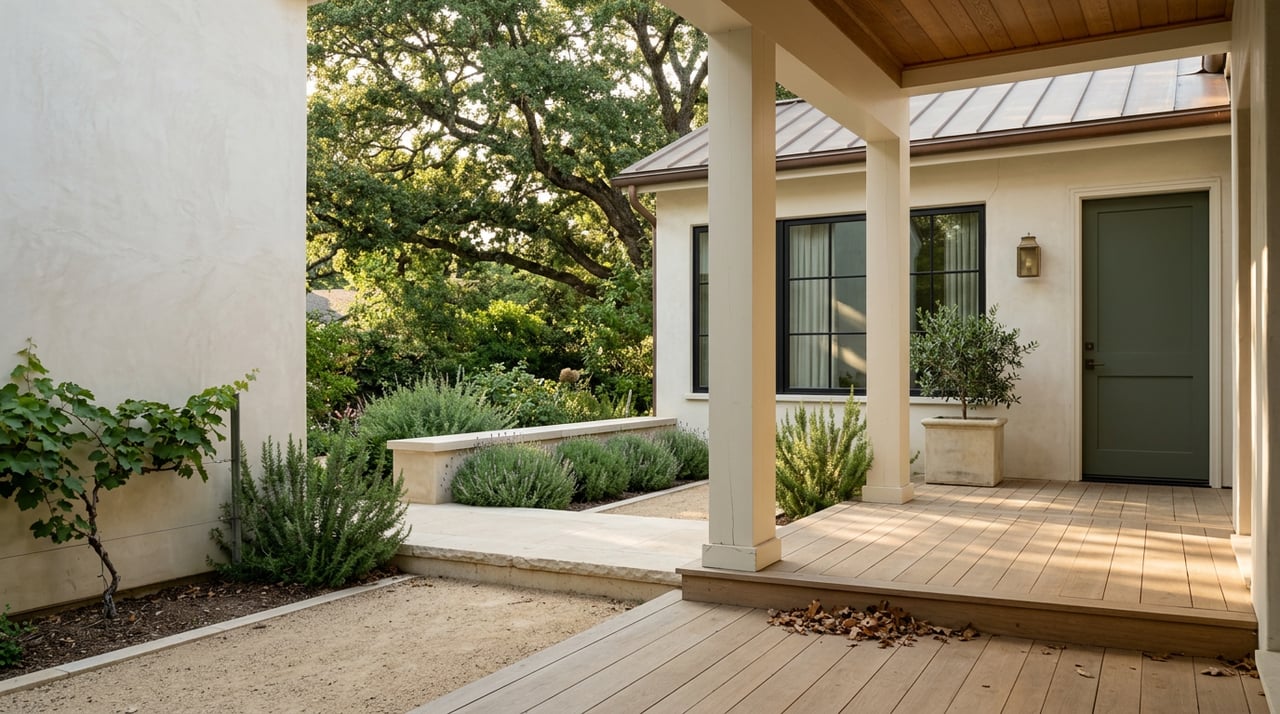
In St. Helena, the best purchases often happen when the property’s setting matches the life you actually want to lead. A beautifully designed in-town residence can feel effortless if you value access and ease. A vineyard-edge estate can feel extraordinary if what you want is privacy, atmosphere, and a stronger connection to the valley’s agricultural landscape.
That is why this decision deserves more than a simple checklist. It is about provenance, daily rhythm, and the way a location holds its value over time. When you understand those layers, the right choice tends to become much clearer.
If you are considering an estate, vineyard-edge residence, or in-town property in St. Helena, Jamie Spratling offers discreet, high-touch guidance grounded in local market knowledge and a refined understanding of Wine Country living.
Stay up to date on the latest real estate trends.