Cloverdale Real Estate Value for Wine Country Buyers
July 16, 2026
July 16, 2026
If you are drawn to Wine Country but not to the price tags that often come with it, Cloverdale deserves a closer look. For many buyers, the challenge is finding a place that still feels connected to Sonoma’s vineyard landscape while offering a more practical path to ownership. Cloverdale stands out for exactly that reason, with a compact town setting, a lower price point than nearby Healdsburg, and a day-to-day rhythm that feels grounded rather than purely recreational. Let’s dive in.
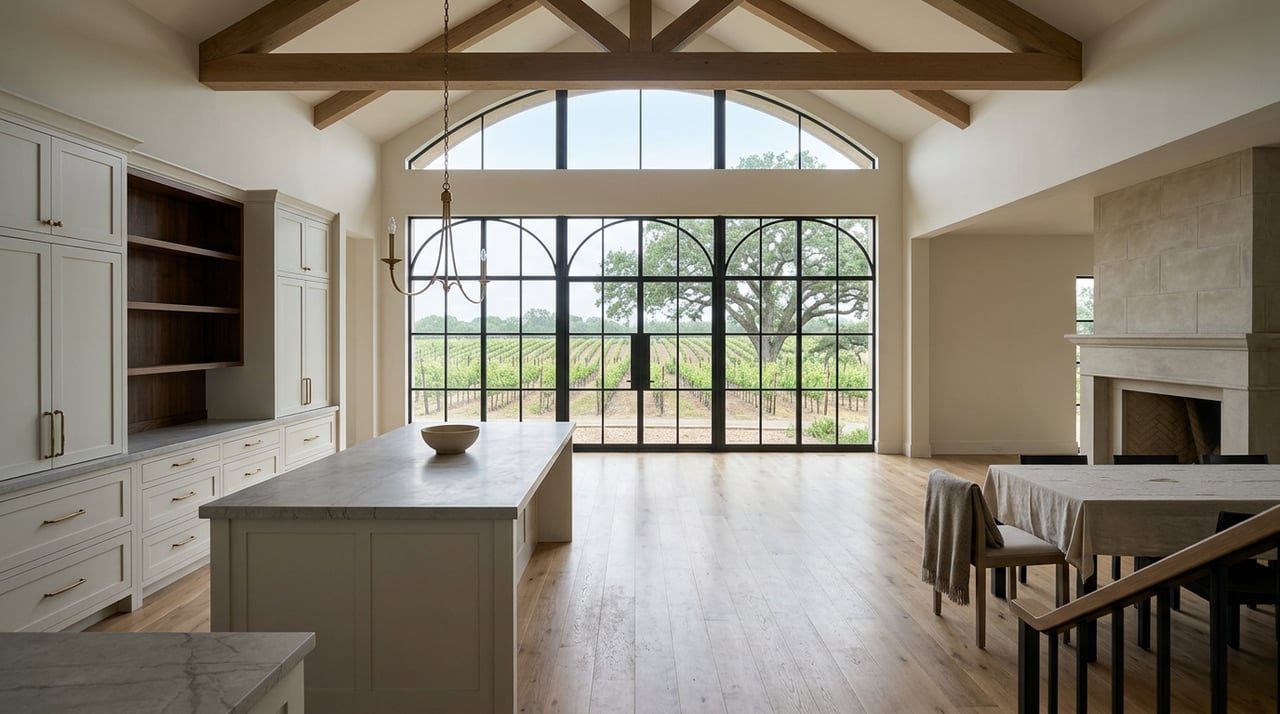
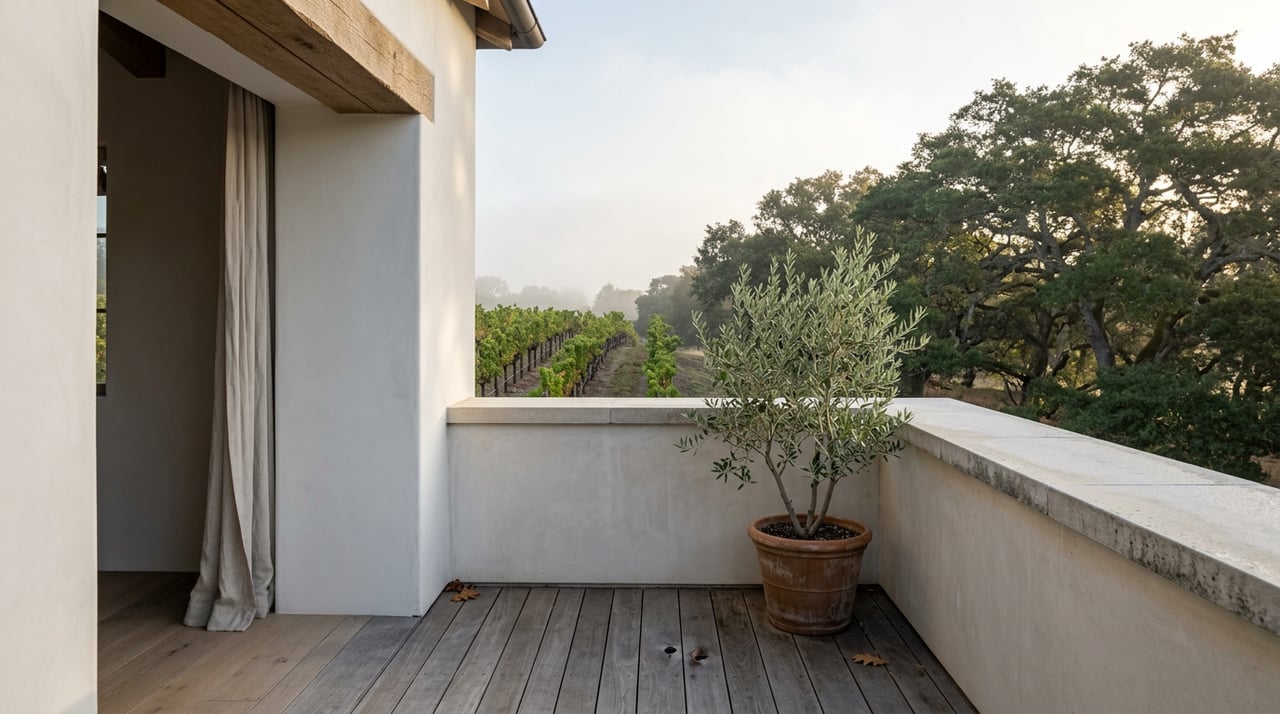
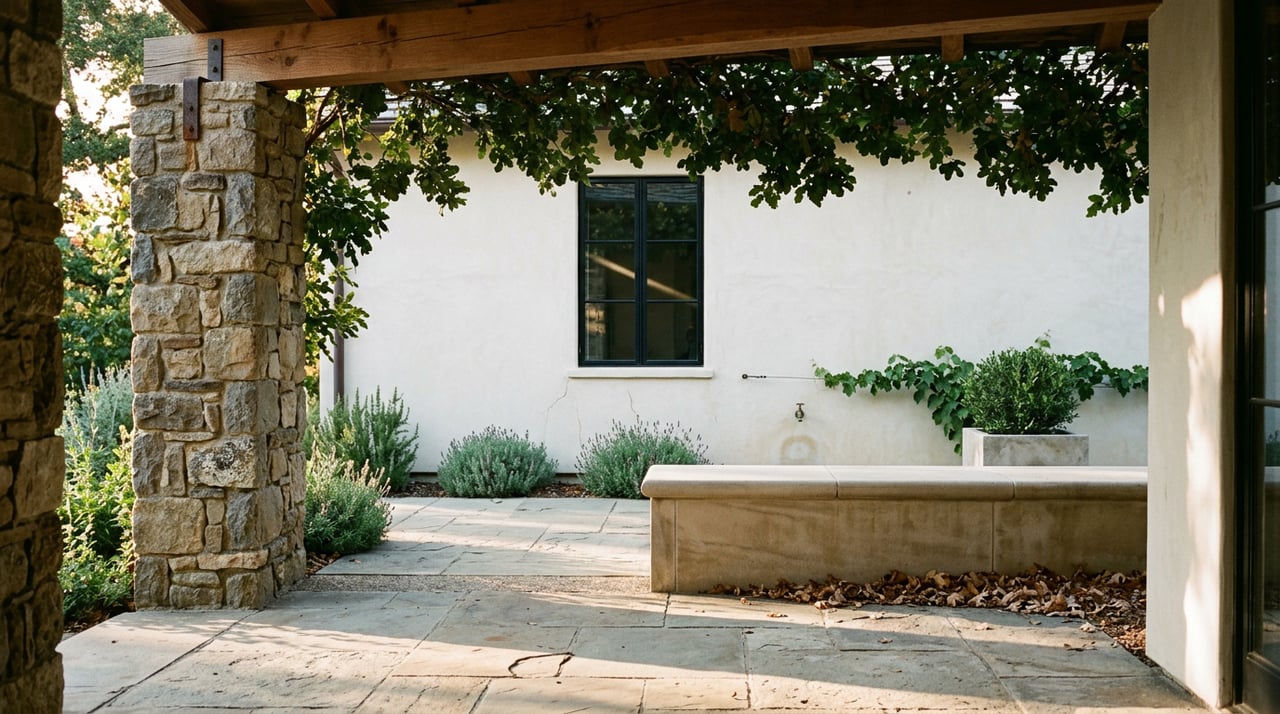
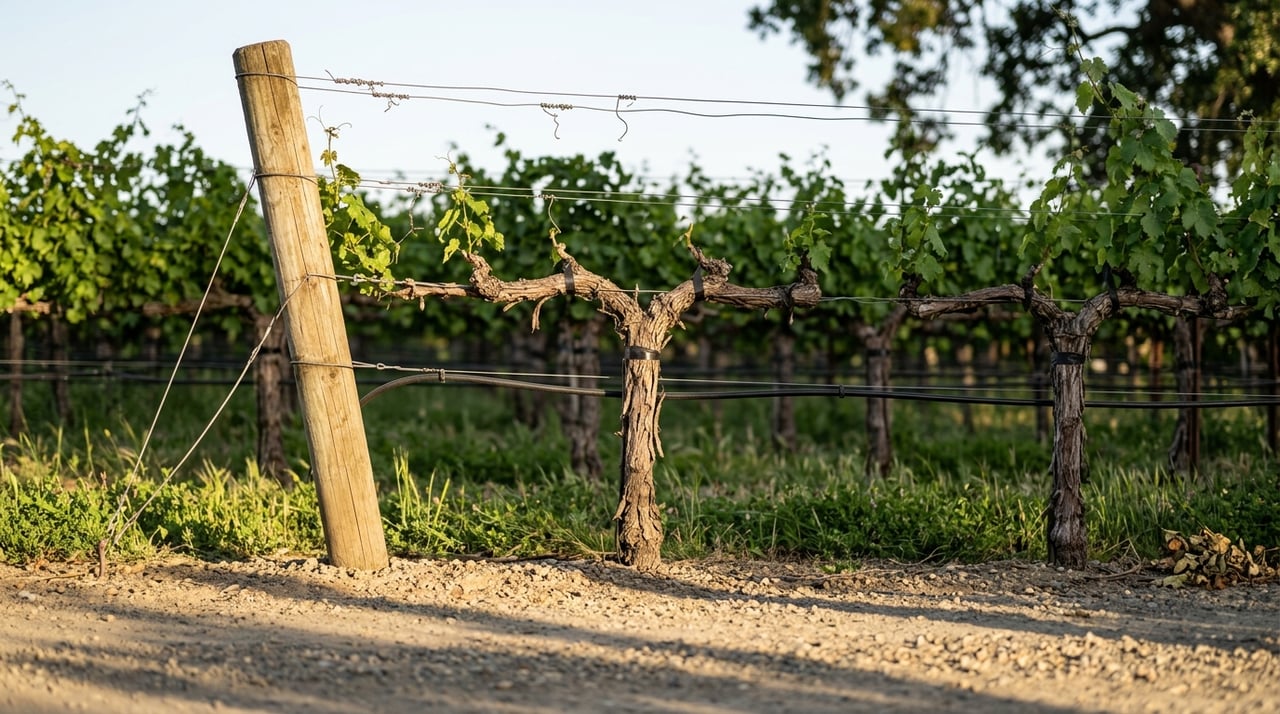
Cloverdale sits in Sonoma County’s Alexander Valley wine region, just off Highway 101, about 15 miles north of Healdsburg and 30 miles north of Santa Rosa. Sonoma County Tourism places it at the meeting point of the Alexander Valley, Dry Creek Valley, and Pine Mountain-Cloverdale Peak AVAs. That location gives you real Wine Country context, not just a nearby mailing address.
Just as important, Cloverdale reads as a true small town. The city proper covers only 2.7 square miles, and the Census estimates its 2025 population at 8,701. For buyers who want a more intimate setting, that scale can feel refreshingly manageable.
For next-generation buyers, affordability is often the deciding factor. In May 2026, Redfin reported Cloverdale’s median sale price at $617,131, compared with $999,402 in Healdsburg. Median price per square foot showed a similar spread, with Cloverdale at $504 and Healdsburg at $688.
That gap is large enough to reshape your search. Instead of stretching for a smaller home in a higher-priced market, you may find more room, more flexibility, or a stronger long-term fit in Cloverdale. In that sense, Cloverdale can function as an attainable version of Sonoma County Wine Country rather than a compromise.
Cloverdale also shows signs of an established owner base. In the 2020-2024 Census estimate, 71.7% of housing units were owner-occupied, and owner-occupied units carried a median value of $619,400. The same estimate found that 89.7% of residents lived in the same house a year earlier.
Those figures suggest a town where many residents put down roots. If you are looking for a place with continuity and a neighborhood-scale feel, that stability may matter as much as price.
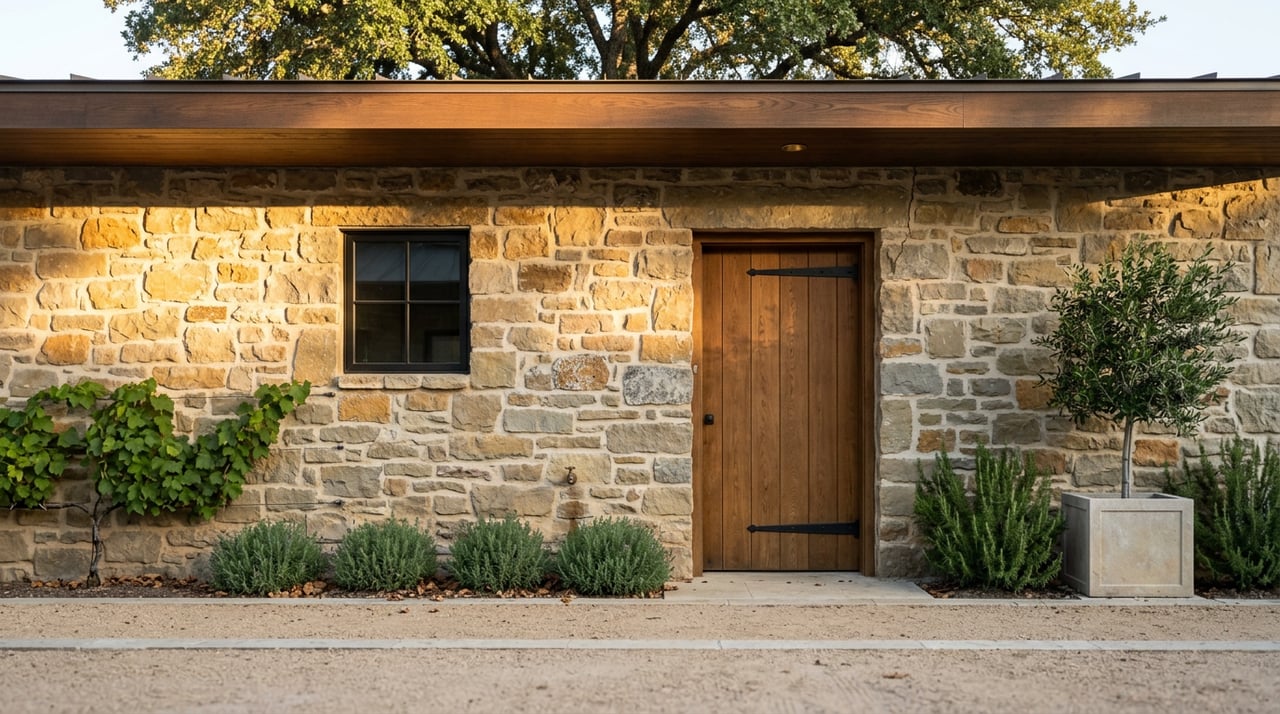
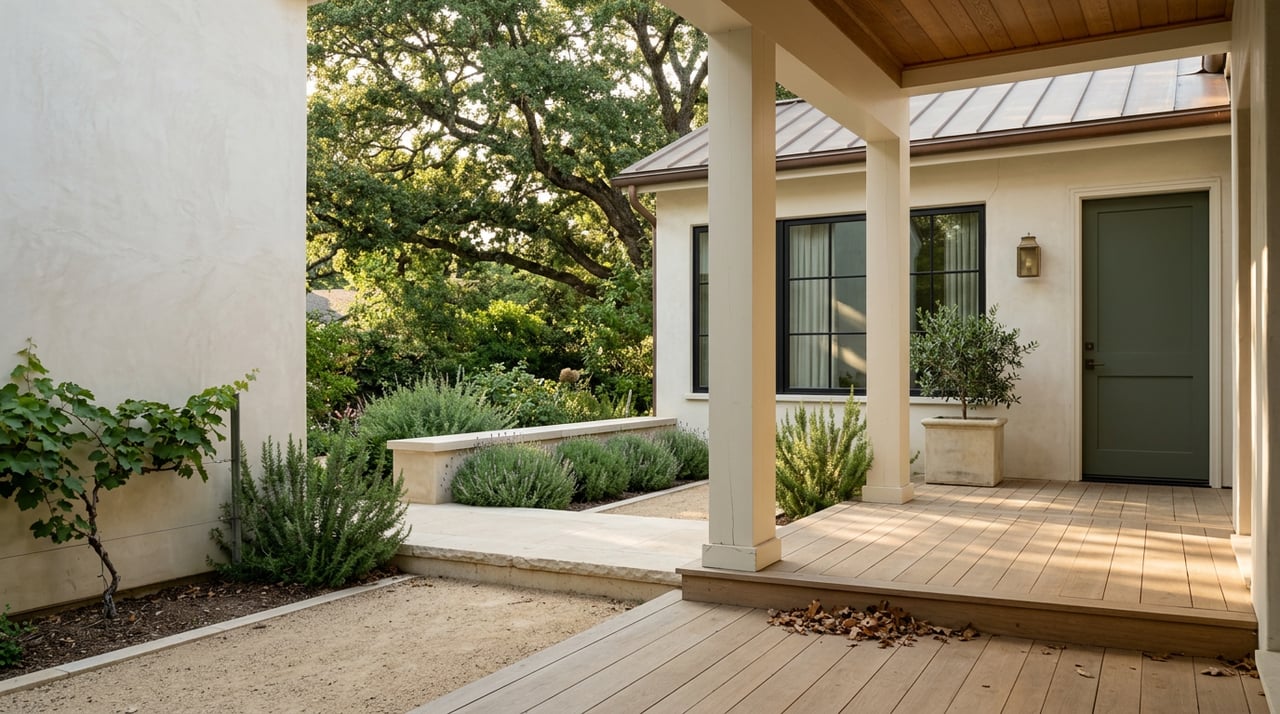
One reason Cloverdale appeals to newer buyers is that its housing stock still favors traditional detached homes. The city’s housing element reports that 74.6% of the housing stock was single-family detached in 2020. It also describes much of the city’s housing as one- or two-story homes on roughly 6,000-square-foot lots.
That matters because many buyers still want the basics to be workable. A detached home, usable yard space, and a little breathing room remain high on the list, especially for buyers thinking beyond a short-term move.
Cloverdale is not only about standard subdivision homes. The city’s planning framework supports a wider mix, which helps explain its appeal across different life stages and buying goals.
Depending on the property and location, buyers may find options such as:
This range gives Cloverdale unusual flexibility for a compact market. You can look for an easy in-town residence, a property with more land, or a home that offers room to adapt over time.
Accessory dwelling units are another important part of the conversation. The city states that ADUs are allowed in all zoning districts on qualifying lots, that garage and carport conversions are allowed, and that a property with existing residential use may support up to two ADUs in certain cases.
For buyers, that can open practical possibilities. You may be thinking about multigenerational living, dedicated office space, guest quarters, or future income potential. Cloverdale’s ADU rules make that flexibility more realistic than in markets where those options are harder to pursue.
A lot of Wine Country communities are beautiful, but not all of them feel easy to live in every day. Cloverdale benefits from having a compact downtown core centered on its plaza, next to City Hall and the police department, with a stage, seating areas, and regular community programming.
The city and Sonoma County Tourism highlight recurring events that help shape local life, including Friday Night Live, the Cloverdale Farmers Market, the Citrus Fair and Parade, the Sculpture Trail, and performances at the Cloverdale Performing Arts Center. The Farmers Market runs on Sunday mornings from April through November.
That kind of programming gives the town a lived-in rhythm. It feels social and active without pushing into the pace of a larger destination market.
For many next-generation buyers, lifestyle is not only about scenery. It is also about whether daily life feels easy and connected. Sonoma County Tourism describes downtown Cloverdale as a place where you can browse local shops and galleries, enjoy farm-to-table dining and wine tasting, and spend time in a central district that does not require a car for every stop.
That compact pattern has real value. If you want a town where errands, coffee, dinner, and community events feel tied together, Cloverdale offers a more grounded experience than a purely weekend-oriented destination.
Cloverdale’s setting is not just scenic from a distance. The city’s parks and open spaces are integrated into town life in a way that many buyers will appreciate.
River Park includes 58.2 acres of open space, three miles of walking trails, and river access. Porterfield Creek Preserve spans 250 acres at the western edge of town, where residential areas meet ranchlands and undeveloped forested land.
The city also points to neighborhood parks such as Vintage Meadows, Furber Park, Tarman Park, and Downtown Plaza Park. Together, these spaces reinforce Cloverdale’s appeal for buyers who want access to trails, open land, and outdoor time without giving up the convenience of town.
Another reason Cloverdale resonates with next-generation buyers is that it functions as a real home base. The city lists a regional library, preschool options, and local schools among its civic amenities, while Cloverdale Unified School District says it serves about 1,400 students in a PK-12 setting.
Transportation is also part of the long-term picture. Current service includes Amtrak Thruway bus access at the Cloverdale Depot, and the city’s planning efforts continue to focus on integrating future passenger rail service through its Station Area and Downtown Plan.
These details matter because they point to a town designed for daily living. Cloverdale is not simply a scenic stop on the way to somewhere else.
It is important to understand the distinction. Cloverdale is not just a lower-cost version of Healdsburg, and that is part of its appeal.
This is a smaller town with a deliberate growth boundary and a more land-conscious development pattern. The city says its Urban Growth Boundary was adopted to protect small-town character by limiting urban development and city services outside that boundary.
For some buyers, that will feel like a strength. It supports a sense of edge, landscape, and restraint that can be hard to find in more built-out markets.
A thoughtful purchase in Cloverdale means appreciating both the upside and the constraints. You may find better value, more detached housing, and a more relaxed town scale, but you should also expect fewer big-city conveniences and a smaller inventory base than larger Sonoma markets.
Environmental risk is also part of the picture. Redfin’s climate-risk data for Cloverdale flags moderate flood risk, major wildfire risk, and major heat risk. Those considerations are especially relevant if you are evaluating larger parcels or homes near open space.
The phrase “next-generation buyer” can mean different things, but in Cloverdale the pattern is clear. Many buyers today want Wine Country credibility without the cost structure of the most established luxury enclaves. They want a home that works for daily life, with flexible space, access to nature, and a town center that feels active but not overbuilt.
Cloverdale answers that brief in a compelling way. It offers Sonoma County vineyard geography, a materially lower entry point than Healdsburg, a housing mix that still favors detached homes, and a civic core that helps the town feel rooted and real.
For buyers who value provenance, breathing room, and practicality in equal measure, Cloverdale is worth serious consideration. If you are exploring Wine Country with an eye toward long-term fit, design potential, or land-conscious living, Jamie Spratling can help you evaluate Cloverdale with local perspective and a discreet, tailored approach.
Stay up to date on the latest real estate trends.