Explore Pope Valley Vineyard Opportunities in Napa
March 24, 2026
March 24, 2026
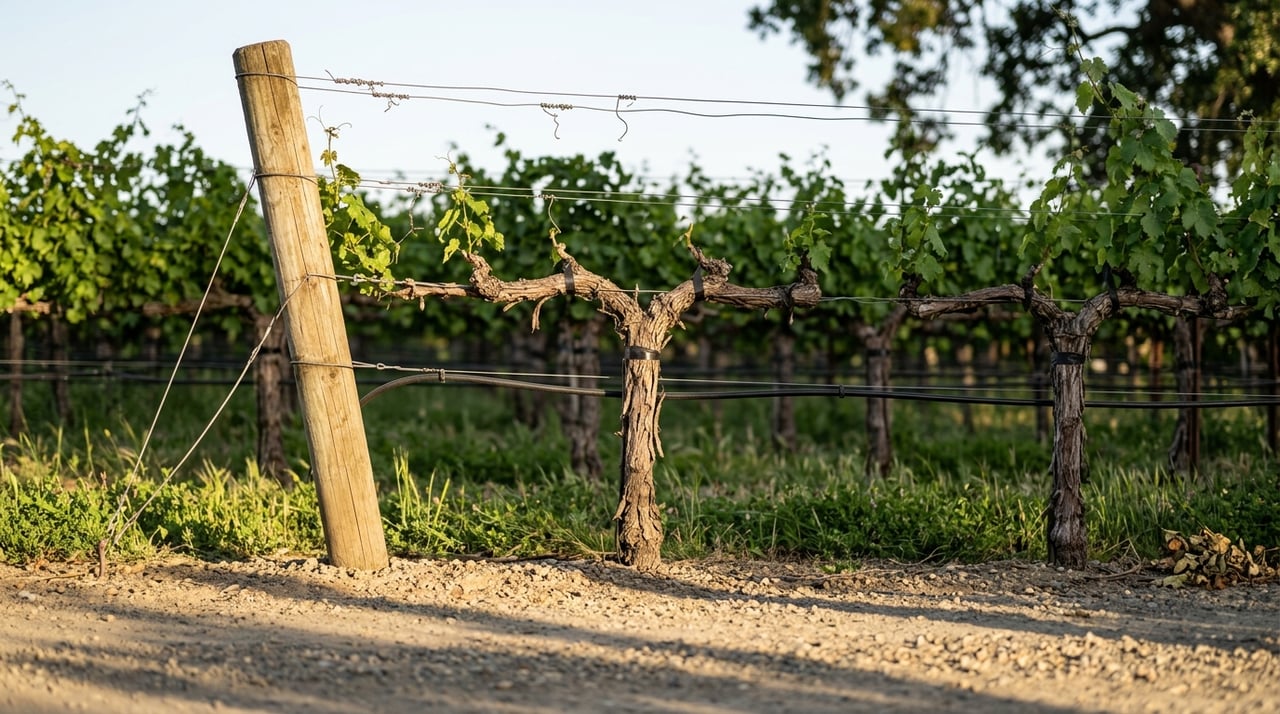
Looking for Napa acreage where you can breathe, plant, and think long term without the bustle of Highway 29? Pope Valley rewards you with scale, privacy, and true agricultural rhythms. If you are weighing a hobby vineyard, an olive ranch, or a long-horizon vineyard investment, this corner of northeastern Napa offers potential that many buyers overlook. In this guide, you will learn what sets Pope Valley apart, how zoning and permits work, what AVA labeling really means here, and the due diligence that protects your investment. Let’s dive in.
Pope Valley sits in Napa’s Vaca Mountains northeast of St. Helena and Calistoga, adjacent to Lake Berryessa. It is rural, unincorporated, and shaped by creeks and wildlife corridors, with oak woodland, serpentine chaparral, and grassland defining the landscape. County biological surveys describe it as an ecological linkage zone with a strong watershed character, which helps explain the area’s quieter, working‑land feel compared with the tourist-facing corridor to the west. You can review the county’s habitat overview to understand the land mosaic and sensitivities noted locally in surveys of biological resources.
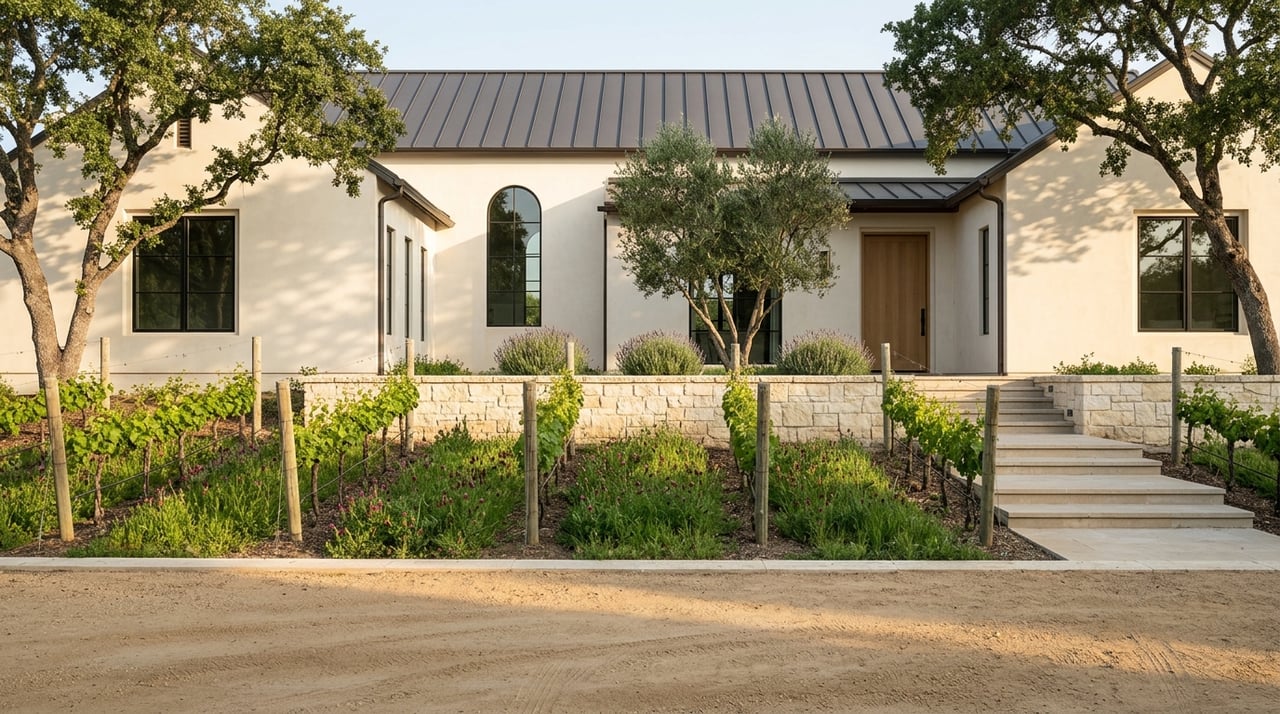
Unlike the small-lot pattern on the valley floor, Pope Valley offers large parcels, often ranging from tens to hundreds of acres. Listings are commonly marketed as ranches, working farms, or raw land. You will often see lower per‑acre pricing than valley‑floor vineyard tracts, especially where infrastructure is modest. As a reference point, a recently listed 20‑acre working olive ranch in Pope Valley was offered around 1.2 million. Prices vary widely with water, access, improvements, and any conservation or permit encumbrances.
Pope Valley is not a separate American Viticultural Area. Many producers here label wines under the broader Napa Valley designation when grapes and winemaking meet federal rules. If label provenance matters to you, confirm parcel location against the federal AVA maps and review the TTB’s Napa Valley AVA definition before you finalize branding or planting plans.
Microclimate and soils vary dramatically across short distances. Interior benches can be warm by day with cooler nights, while elevation, slope, and exposure create distinct site profiles. Soils include serpentine outcrops, gravelly loams, and alluvial deposits along the valley floor. County biological studies also note sensitive serpentine habitats and vernal pools in the region, which means vineyard feasibility is site specific. Varieties you will see include Cabernet Sauvignon, Sauvignon Blanc, Chardonnay, and Zinfandel, with some fruit sold into broader Napa blends in addition to estate bottlings.
Napa County’s General Plan is designed to preserve agricultural and watershed lands. In much of the uplands, parcels carry large minimum sizes for new subdivision. Lands designated Agriculture, Watershed, and Open Space often expect minimums around 160 acres, while Agricultural Resource areas commonly see 40‑acre minimums. The practical effect in Pope Valley is fewer opportunities to split land and more emphasis on long‑term stewardship. Before you assume development potential, confirm the exact General Plan designation and zoning for any parcel you are evaluating.
Voter‑approved protections known as Measure J and Measure P add another layer. Certain changes to the General Plan’s land‑use designations can require voter approval, particularly where agricultural‑watershed lands are concerned. If your strategy involves re‑designation or intensification of use, verify whether your parcel is subject to these constraints.
Napa County also maintains a right‑to‑farm ordinance. If you purchase in Pope Valley, you should expect normal agricultural operations, including noise, dust, and vehicle activity associated with working ranches and vineyards. The policy protects ongoing agriculture from nuisance claims and sets expectations for buyers in rural zones.
New winery projects in Napa’s unincorporated areas require discretionary permits and must comply with county zoning rules. For wineries established after the county’s Winery Definition Ordinance, a minimum parcel size applies. The code sets standards such as a 10‑acre minimum for new wineries, along with conditions on production, parking, tours, tastings, and events. Any marketing or visitation is treated as accessory to agriculture and is permit specific. If a parcel already hosts a winery or tasting activity, review the permit history carefully to understand current entitlements.
Pope Valley attracts two primary buyer groups. Lifestyle buyers look for privacy, room for horses, olives or a small vineyard, and a slower pace. Investor and vineyard buyers often target 70 to 100 plus acres when they plan for commercial grape production. Both groups value the area’s scale and relative value compared to the valley floor, but their due diligence priorities differ.
Pricing is highly sensitive to water resources, road access, existing plantings, and any easements or permit encumbrances. A raw hillside parcel without a proven well reads very differently from an improved ranch with irrigation infrastructure and internal ranch roads. Conservation activity in the region also shapes supply. The Land Trust of Napa County and partners have protected significant acreage through purchases and easements, which can limit future development on specific parcels and reduce overall market supply in certain subareas.
Most Pope Valley properties rely on private wells, springs, and on‑site storage rather than municipal systems. Napa County actively manages groundwater, and the Napa Valley Groundwater Subbasin has a Groundwater Sustainability Plan. For any acreage purchase, build your feasibility work around well yield tests, storage capacity, and irrigation needs. Verify whether the parcel has any surface water rights or rare access to imported water, and review any local Water Availability Analysis expectations.
Soils and biology require equal care. Sensitive serpentine communities, riparian corridors, and vernal pools can trigger constraints or mitigation if you plan new vineyard development. A qualified vineyard consultant and environmental specialist should evaluate slopes, erosion control needs, and planting suitability. Early conversations with the county and technical advisors save time and align your concept with on‑the‑ground realities.
Pope Valley has experienced significant wildfire events, and county wildfire planning identifies higher hazard in the watersheds around Lake Berryessa and the surrounding uplands. Expect insurers to scrutinize location, defensible space, and fire‑safe access closely. The county’s Community Wildfire Protection Plan outlines strategies and hazard zones that are useful references as you evaluate parcels. For development or winery uses, expect emergency access, road width, secondary egress, water supply for firefighting, and vegetation management to be central to approvals.
Conservation easements can be powerful tools for landscape protection, but they also carry real implications for private plans. The Land Trust of Napa County and partners have closed meaningful conservation transactions in and around Pope Valley. Easements may limit subdivision, vineyard conversion, and building envelopes. Always review the chain of title for deed restrictions, mitigation agreements, and conservation easements, and map any neighboring protected lands that could influence your long‑term strategy.
Use this checklist to frame your first 60 days of study:
If Pope Valley aligns with your vision, you benefit from an advisor who understands both the romance of acreage and the operational realities behind it. You get discreet, principal‑led guidance on vineyard feasibility, entitlement risk, conservation constraints, and the marketing rules that shape a winery or direct‑to‑consumer plan. You also get presentation and negotiation that respect the landscape’s value and your long‑term goals.
If you want to evaluate specific parcels, request a confidential consultation with Jamie Spratling. We will calibrate target areas, assemble a tailored feasibility checklist, and structure a low‑friction path from first tour to close.
Stay up to date on the latest real estate trends.